
Five of the best game shoot consultants
Whether you run a walked-up woodland or a flagship driven pheasant operation, the UK's game shoot consultancy sector has grown considerably in recent years – and the range of expertise on offer is broader than many shoot owners realise. These five consultants cover everything from estate audits and habitat creation to stocking density reviews and Purdey Award-standard conservation plans.
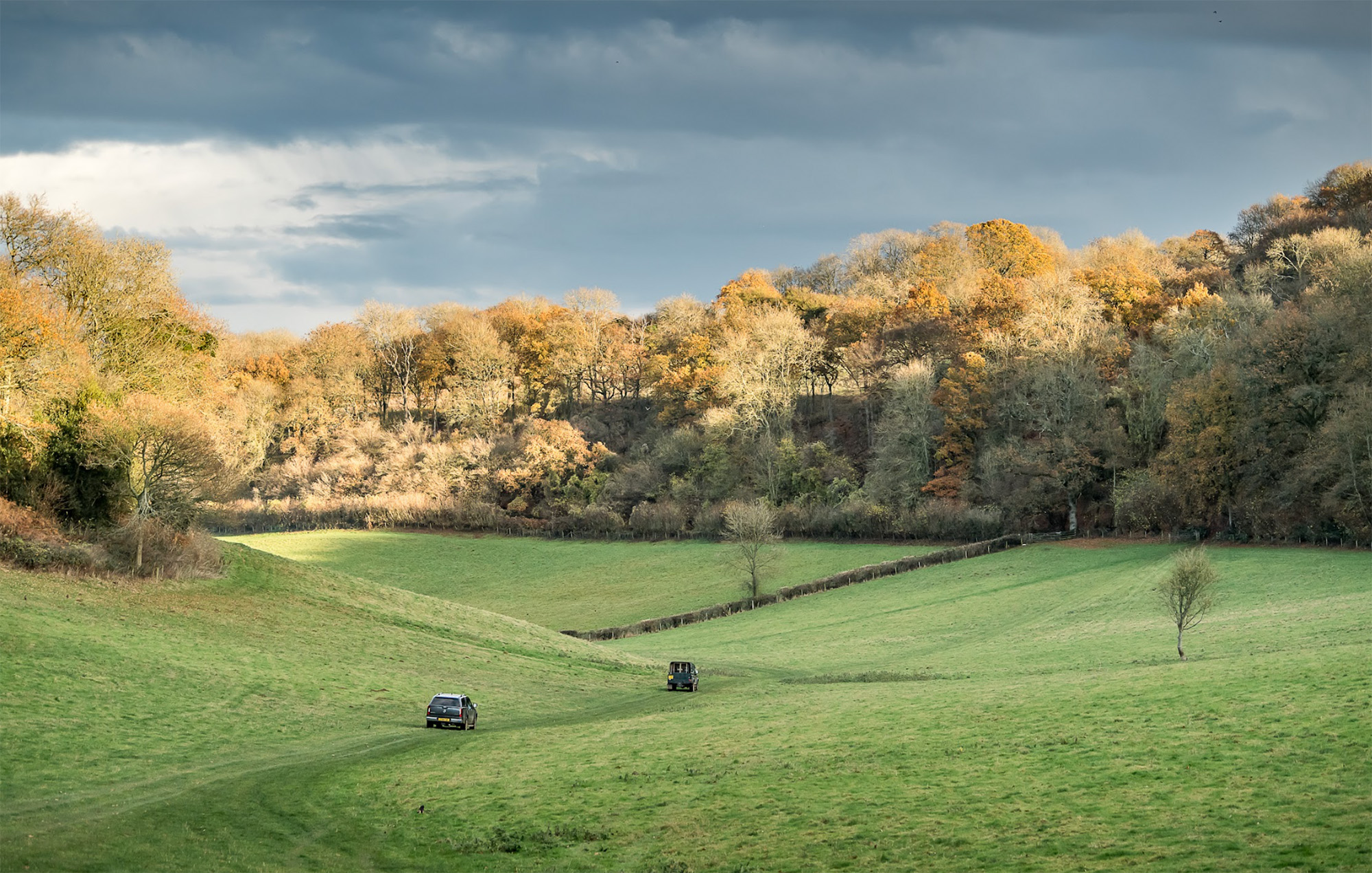

The consultants featured here offer very different services – from hands-on estate audits and release pen health checks to habitat creation, grant funding, and the kind of scientific rigour that underpins a Purdey Award application. What they share is an accumulated depth of knowledge that no shoot owner, however experienced, can replicate alone. Engaging a consultant needn’t mean surrendering control of your shoot. More often, it means finally understanding why that drive that was brilliant a decade ago has quietly gone to pieces – and what to do about it.
Roxtons
Few names in British fieldsports carry the weight of Roxtons. Founded in 1976 and headquartered in Hungerford, Berkshire, it is Europe’s leading sporting agency and shoot management company – with a team across Scotland, Yorkshire, the Home Counties and the West Country.
Director of shooting John Duncan, who joined in 1996 and has been on the board since 2007, is refreshingly direct about what consultancy means in practice: a genuinely impartial, 360-degree analysis of why a shoot is underperforming – and what to do about it. From release pen design and stocking densities to return rates, feed ratios, hospitality and what to charge per bird, nothing is off the table.
A shoot losing money, struggling to sell days or simply not performing as it should can expect a thorough written report with clear, prioritised recommendations. John is a passionate advocate of best practice and sustainable shooting, and Roxtons’ consultancy reflects that – including working in line with GWCT stocking density guidelines, which the team incorporates into new pen design on managed estates. Health and safety is one area deliberately left to specialist advisers, whom Roxtons will recommend as needed. Fees are bespoke and depend on scope and location. The conversation starts with a call.
Truefield
Truefield may be one of the newer names in game shoot consultancy, but founder Ben Stevens brings a depth of practical experience few in the sector can match. Fifteen years as a keeper – taking him from the beginnings of his career in Kent and Somerset to Abbeystead Estate for the Duke of Westminster, Glamis Castle in Scotland, six seasons on the grouse at Lochan Estate near Dunkeld, a head keeper’s role in France, and four years at Wherwell Priory – gave him a ground-level education in virtually every discipline the driven game world encompasses.
Launched in early 2026, Truefield offers game and shoot management, deer management planning, habitat and estate development, staff training and the sale of shooting across UK estates and Europe. What clients can expect, says Ben, is a straightforward, honest approach and confidence that comes from real-world expertise rather than purely theoretical knowledge – a down-to-earth perspective shaped by years in the field, not behind a desk.
Ben understands the complex challenges faced by modern sporting estates, from maintaining shoot standards and achieving conservation objectives to staff management and regulatory compliance. His solutions are clear, practical, and tailored to the unique requirements of each property. The process is simple: a one-to-two day audit followed by a written report with prioritised recommendations. Ongoing support comes via a monthly retainer, with full management contracts on offer. He has a passion for wild grey partridge restoration and works closely with deer management groups in the West Country.
The Game & Wildlife Conservation Trust
When it comes to the science of game and wildlife management, no organisation carries more authority than the Game & Wildlife Conservation Trust. Founded in 1931, the GWCT has been advising estates on best practice for nearly a century – and its advisory service is the practical expression of that research.
Central England adviser Alex Keeble is typical of the team: a conservation degree combined with 17 years as a full-time keeper gives him the rare ability to speak the language of both laboratory and release pen. That dual background matters when asking a keeper to rethink woodland management or stocking densities.
The flagship offering is the Shoot Biodiversity Assessment – an estate visit covering game cover crops, woodland management, stocking densities, predation control, feeding regime, species recording and legislative compliance. The result is a traffic-light report showing what is working, what needs attention, and how to improve. It is particularly valued by landowners with shooting tenants wanting independent verification of what is happening on their ground.
Beyond the assessment, GWCT advisers cover everything from grey partridge recovery and stewardship scheme placement to pond management and woodcock habitat. Regional teams cover England, Wales and Scotland, with specialist upland advisers for grouse ground.
BASC
Ask most shoot owners what their BASC membership gets them and you’ll hear the same answers – insurance, legal support, a magazine. Ask a regional officer what it actually offers and the list is considerably longer. Behind the familiar brand sits one of the most useful advisory networks in the industry.
Eight regional offices staffed by officers with deep expertise across every discipline of the shooting world means the advice on offer is both broad and genuinely authoritative. Stocking densities, predation control, release pen management, habitat creation, stewardship scheme placement, woodland condition, general licences, firearms legislation: all of it is within scope, and site visits are available to members free of charge.
BASC’s Practical Conservation strategy runs in parallel: campaigns on cover crops, wetland habitat and woodland management that translate conservation science into something a busy shoot manager can actually act on. As regulatory pressure on the industry continues to build, having a team with direct lines into Natural England and Defra is invaluable. The expertise is already sitting within your membership. You just need to use it.
Oakbank Game & Conservation
Founded in 2004, Oakbank Game & Conservation has spent two decades becoming one of the most trusted names in habitat consultancy – and now holds the Royal Warrant to King Charles as conservation seed suppliers. Based in Ellington, Cambridgeshire, the 17-strong team includes eight farm environment consultants and four dedicated woodland specialists.
Co-founder Tim Furbank says the team is chosen for their innate understanding of farming, woodland and game habitats and their ability to demonstrate how they can all positively benefit each other. Oakbank was founded to serve sporting farms and estates, providing expert advice and tailored game cover seed mixes while ensuring compliance with stewardship regulations. That shooting focus remains central: the team advises on game crop selection and siting, perennial cover establishment, flushing area improvement, ride management, and long-term woodland plans delivering both timber income and habitat benefit.
Along with the GWCT, Oakbank pioneered the partridge seed mixes now grown across Europe, and has supported the majority of wild grey partridge recovery projects in the UK. For shoot owners with conservation ambitions, Oakbank’s track record with Purdey Award applicants and winners – Tim sits on both the Purdey and Schöffel Countryside Award judging panels – speaks for itself. An initial call costs nothing.
Frequently Asked Questions
What does a game shoot consultant actually do?
A game shoot consultant carries out an independent assessment of your shoot – typically a one-to-two day estate visit – and produces a written report with prioritised recommendations. Areas covered usually include release pen design, stocking densities, predation control, habitat and woodland management, feed regimes, return rates and legislative compliance. Some consultants also offer ongoing support via a monthly retainer or full management contracts.
How much does a game shoot consultant cost?
Fees vary considerably depending on the scope of work, the size of the estate and the consultant involved. Some services – such as BASC site visits – are available free of charge to members. Others, such as Roxtons, offer bespoke fee structures based on location and the scale of the brief. The GWCT’s Shoot Biodiversity Assessment and Truefield’s audit-plus-report model both have defined processes; an initial call with any of the consultants listed here will give a clearer picture of likely costs.
Do I need a consultant if I already have an experienced keeper?
An experienced keeper and an independent consultant serve different purposes. A keeper manages the day-to-day running of a shoot; a consultant provides an impartial, external view of the whole operation – including areas where longstanding habits or assumptions may be costing the shoot performance or creating compliance risk. Several of the consultants featured here, including Truefield’s Ben Stevens and GWCT adviser Alex Keeble, have extensive keeper backgrounds themselves, which means their recommendations are grounded in practical reality rather than theory alone.
Which consultant is best for conservation and stewardship?
The GWCT and Oakbank both have particularly strong conservation credentials. The GWCT’s Shoot Biodiversity Assessment covers species recording and stewardship scheme placement alongside shoot management, and its research underpins much of the science used across the industry. Oakbank, which holds the Royal Warrant as conservation seed suppliers and has co-founder Tim Furbank on the Purdey and Schöffel Countryside Award judging panels, has a long track record supporting wild grey partridge recovery and Purdey Award applications. BASC also covers stewardship scheme placement through its regional advisory network.
Can a consultant help if my shoot is losing money?
Yes – financial underperformance is one of the most common reasons shoot owners seek outside advice. Roxtons’ John Duncan is explicit that a shoot losing money or struggling to sell days can expect a thorough analysis covering return rates, feed ratios, stocking densities, hospitality and day pricing. The goal is a clear, prioritised set of recommendations rather than a general review.
Related Articles
Game shooting
Fieldsports builds friendships like nothing else
Writing from the coast of Kerala, stranded by conflict in Iran, Jamie Blackett finds himself reflecting on what he would genuinely miss about home – and it isn't the weather. It's the camaraderie of...
By Fieldsports Journal
Game shooting
Grey partridge conservation in Scotland
Grey partridge conservation in Scotland is back on the agenda at Gordon Castle Estate in Speyside, where chef Tim Maddams visits to see the team working to bring wild coveys back to a landscape that h...
By Tim Maddams
Get the latest news delivered direct to your door
Subscribe to Fieldsports Journal
Elevate your experience in the field with a subscription to Fieldsports Journal, the premium publication for passionate country sports enthusiasts. This bi-monthly journal delivers unparalleled coverage of game shooting, fishing and big game across the UK and beyond.
Each issue offers a stunning collection of in-depth features, expert opinions and world-class photography, all presented in a timeless yet contemporary design.
Save 16% on shop price when you subscribe, with a choice of packages that work for you. Choose from Print & Digital or Digital only with each journal delivered directly to your door or via the app every other month, plus access to past issues with the digital back issue library.