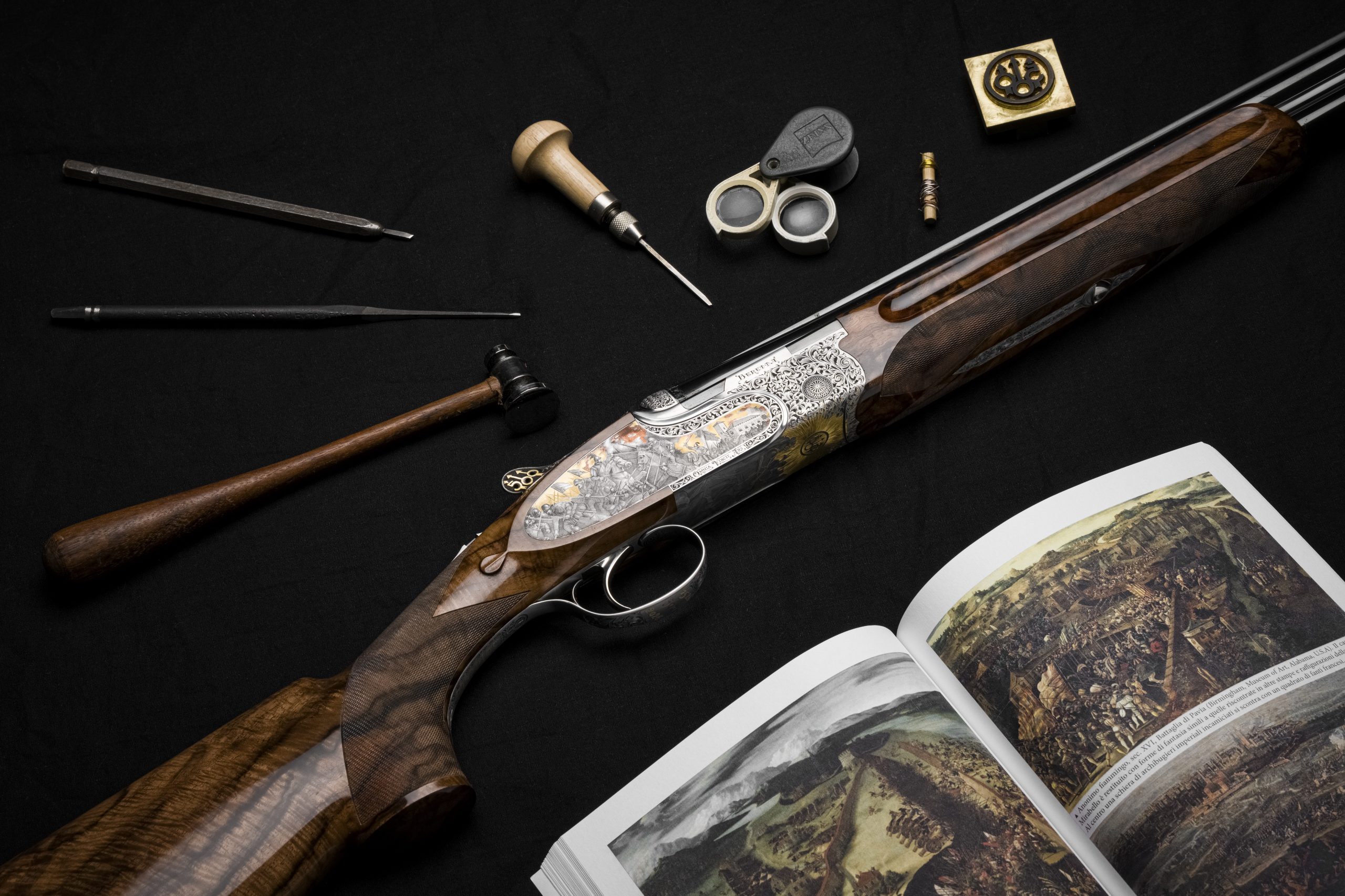

Fieldsports builds friendships like nothing else
Writing from the coast of Kerala, stranded by conflict in Iran, Jamie Blackett finds himself reflecting on what he would genuinely miss about home – and it isn't the weather. It's the camaraderie of the fieldsports season: the banter, the shared rituals, and the deepening friendships that only a day in the field can forge.

I write this from the coast of Kerala in India, where we are marooned by the war in Iran. Frustration that the world’s airlines have not yet found a way to bypass the conflict and get us home to delight in the first daffodils has given way to counting our blessings and trying to make the best of being stuck in paradise. Really, what’s not to like? Exotic birdsong and the rhythms of one of the Marari coast’s many religions being called to prayer can be heard above the weighty rumble of the Arabian Sea massaging white sands along the jungle’s edge. Blighty seems a long way away, and we are kidding ourselves that we would not be sorry if we never had to struggle through another Scottish winter.
And yet…
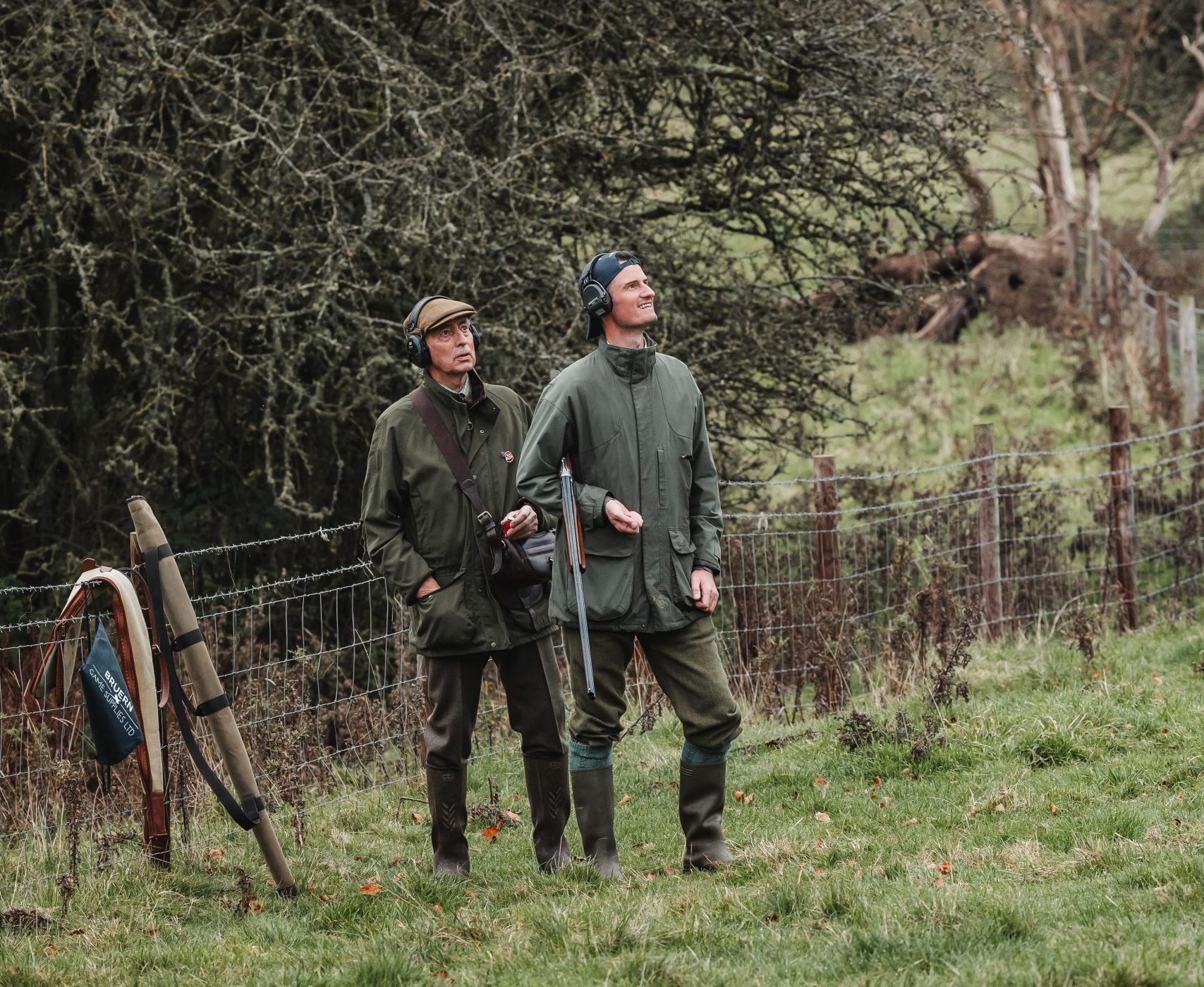
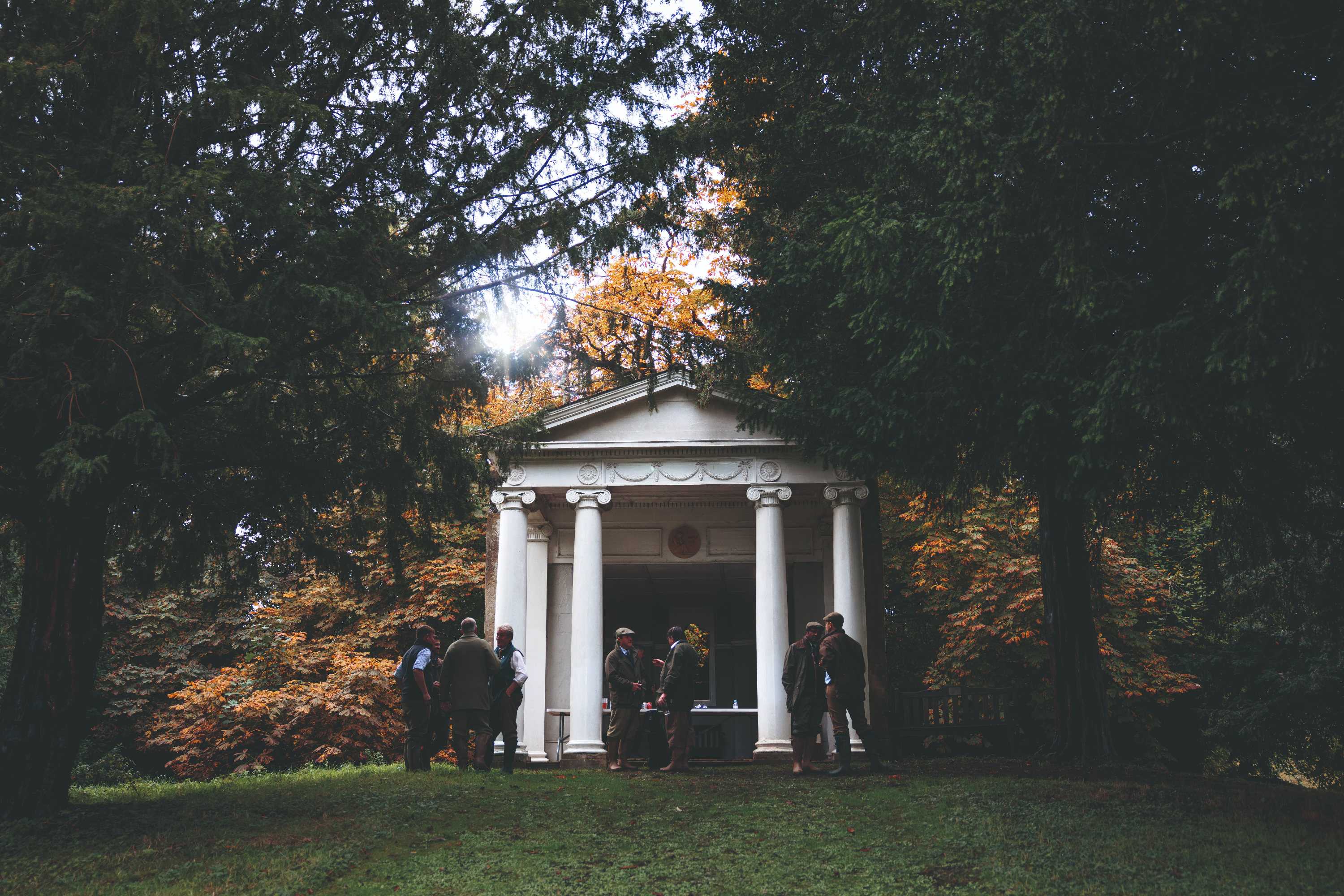
It’s the camaraderie of the shooting season I would miss. And so too, deep down, I suspect, would The Reluctant Hostess in the hammock beside me. After all these years of marriage she could do without the “good shot darling” bit, but rather enjoys the après. As time goes by the enjoyment of shooting, reflected in thank you letters both sent and received, focuses more on the “company” and the “craic” than on the “trigger action” and the size of the bag. The teasing of old friends, the schadenfreude, the banter over elevenses, the exultation at a grandchild’s first pheasant. The pooled connoisseurship of eight countrymen of advancing years commenting on the unfolding drama of the shoot: the kestrels and the short-eared owls quartering the moor before the first covey came through, the bird falling on the greenhouse, the roe deer exiting stage left pursued by our neighbour’s field trial champion. The warmth of deepening friendships and running jokes across a two-night house party.
It shouldn’t come as any surprise. There are fathomless anthropological reasons why we value the camaraderie of hunting in its widest sense above almost anything else. It is, after all, a re-enactment of that glorious moment when our primate ancestors came together to shake off monkeydom and reinvent themselves as H. sapiens. While the absolute requirement to put meat on the table has diminished, the community endeavour has gravitated to art form and nourishes us in so many other ways.
Columnists have always analysed the crucial ingredients that fuse together to form a good day’s shooting, but so often the day is made or marred on the day the invitations are sent out, and the all-important chemistry of the team of Guns is defined: the mix of new friends and old, the inclusion of the amusing if inaccurate at the expense of the deadly but dull or boorish, the avoidance of collision between the aspirant solar farmer and the implacable leader of the opposition.
Nor is the camaraderie in any way limited to the Guns. There is the friendship built up over the course of the day with the pickers-up, the two-way trust in the ability to mark birds and work dogs. The sharing of triumphs and disasters, deepening telepathy and fear of running out of cartridges developed with one’s loader. The profound relish of teamwork that only infantry platoon commanders and shoot managers experience with their respective teams when a plan comes together.
The hunting field and the riverbank
Nor should we forget the shared experience in the hunting field: the thrills and spills punctuated by the hurly-burly of a jostling, flask-swigging, mounted cocktail party. The gossip of a fashionable hunting country; the ribald, innuendo-laden wit. The gathering of the tribe below the ha-ha, the children being initiated in the rituals of the hunt, the village elders bent double by the accumulated injuries of seasons past, the stirrup cups and the mince pies. Later, the reliving of a white-knuckle ride across the vale around a candlelit dining table, the other members of the field, hatless and in their glad rags, looking surprisingly distinguished or dowagerish, or beautiful, or bald.
And what about summer days on the river bank? There may be few fish in Scottish rivers now, but that melancholy fact has, if anything, made fishing less of a test of stamina and lengthened the breakfast conversation over kedgeree and kidneys in the lodge – followed by laughter around the fishing hut, fuelled by gallons of Provence’s finest pink wine and steaks cooked on a campfire. The shared excitement watching the osprey stooping downstream and the intense glimpses of kingfishers and otters. The appreciation of the exquisitely polite rudeness of the ghillie commenting on our casting abilities. Or perhaps the water is so low that even the most enthusiastic ghillie concedes defeat and the house party bonds over different shared experiences: Munro-bagging, garden visiting, hacking around the links at “Royal Spey Bay,” or a magical day hauling up to the hill loch for a try at the brownies.
The pull of home
Could we really say, “Goodbye to all that”? No. We need to get home – even if we have to fly via Timbuktu – to book the poults for next season and fettle up the release pens, to pay the deposit on that fishing holiday, to make plans to ensure we can have a social life again. It’s our culture, and we would be lost without it.

Frequently Asked Questions
What is the shooting season in the UK?
The main driven shooting season in the UK runs from 1 October to 1 February for pheasants, and from 12 August (the Glorious Twelfth) to 10 December for grouse. The season defines the social calendar for many in the countryside – not just the shooting itself but the house parties, the elevenses, the thank you letters and the planning that surrounds it.
What does “elevenses” mean in a shooting context?
Elevenses is the mid-morning break taken during a day’s shooting, typically around 11am, where the Guns, beaters, pickers-up and guests gather for hot drinks, sloe gin, sausage rolls or similar. It is as much a social occasion as a practical pause – widely regarded as one of the highlights of the day and the moment where much of the banter and camaraderie of the field is exchanged.
What is a field trial in gundog terms?
A field trial is a competitive event in which gundogs are assessed on their hunting, retrieving and handling skills under live shooting conditions. Dogs are judged against the standard of the “ideal” gundog in the field, and the best performers earn qualifications towards gundog working certificates and championship entry.
Related Articles
Game shooting
Five of the best game shoot consultants
Whether you run a walked-up woodland or a flagship driven pheasant operation, the UK's game shoot consultancy sector has grown considerably in recent years – and the range of expertise on offer is b...
By Fieldsports Journal
Game shooting
Grey partridge conservation in Scotland
Grey partridge conservation in Scotland is back on the agenda at Gordon Castle Estate in Speyside, where chef Tim Maddams visits to see the team working to bring wild coveys back to a landscape that h...
By Tim Maddams
Get the latest news delivered direct to your door
Subscribe to Fieldsports Journal
Elevate your experience in the field with a subscription to Fieldsports Journal, the premium publication for passionate country sports enthusiasts. This bi-monthly journal delivers unparalleled coverage of game shooting, fishing and big game across the UK and beyond.
Each issue offers a stunning collection of in-depth features, expert opinions and world-class photography, all presented in a timeless yet contemporary design.
Save 16% on shop price when you subscribe, with a choice of packages that work for you. Choose from Print & Digital or Digital only with each journal delivered directly to your door or via the app every other month, plus access to past issues with the digital back issue library.