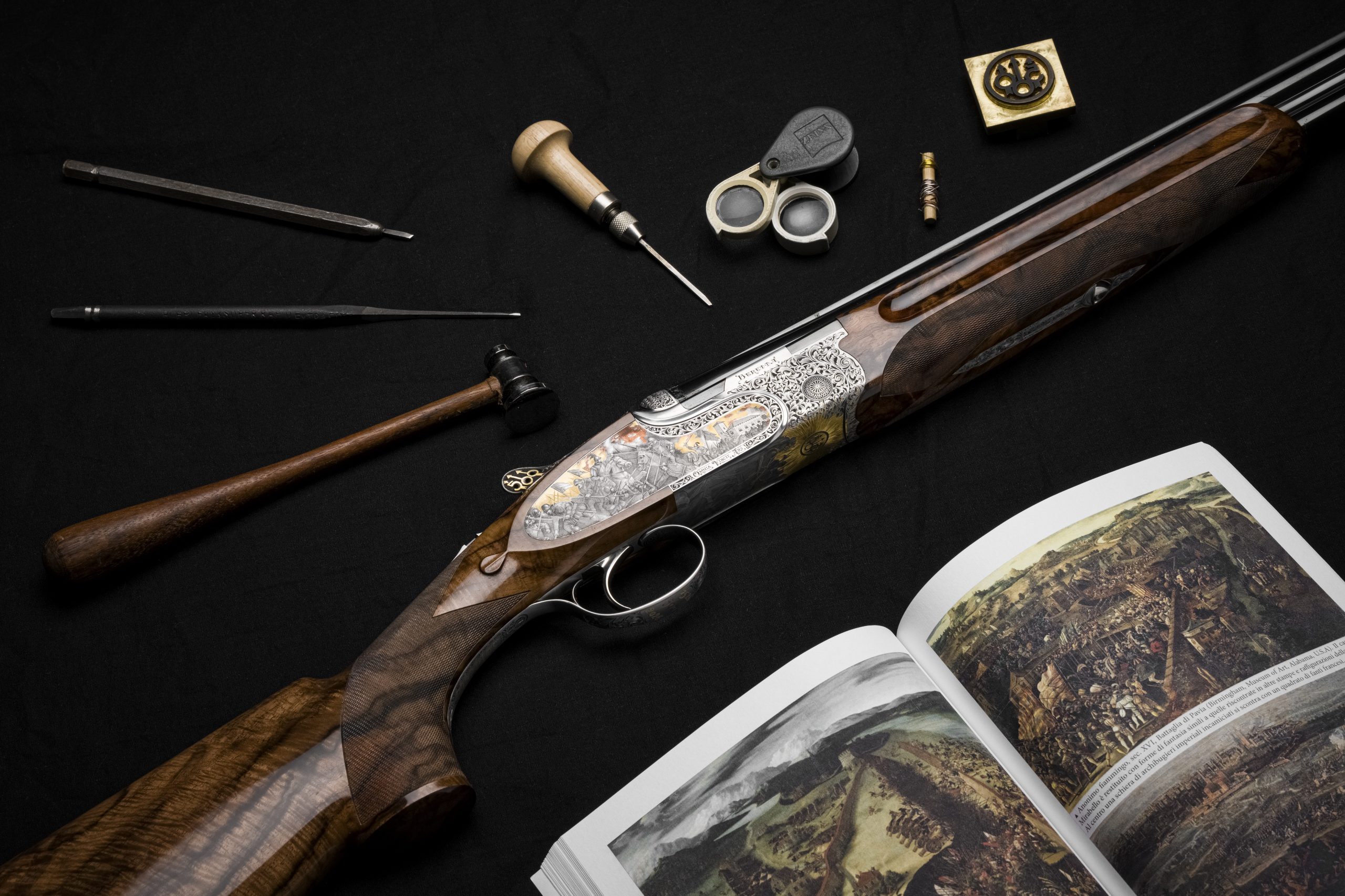

Don Trump Jnr stalks roe in UK
Our guest editor Marc Newton takes Donald Trump Jnr roe buck stalking, as they reflect on their personal reasons for picking up a rifle
If someone asks, “why do you hunt?” what would your answer be? Hunting is one of few experiences that as humans, distracted and living our busy, 21st century existences, we can share with our oldest ancestors. The reasons why people choose to hunt might differ wildly, but that connection to our roots is true for us all. It’s also part of what motivates a man who’s famous around the world, but for whom hunting is a deeply personal and long-held passion.
Roe buck stalking
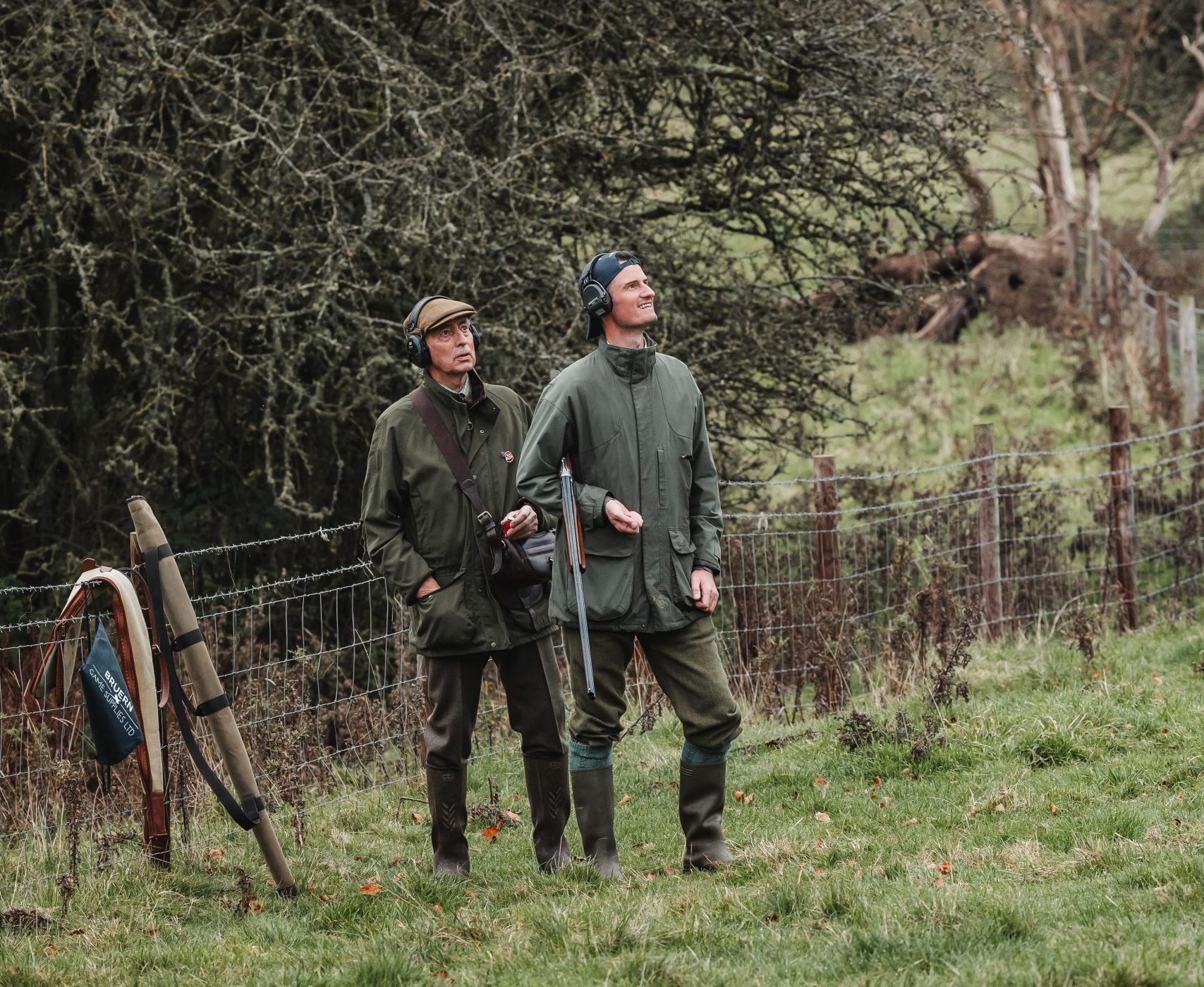
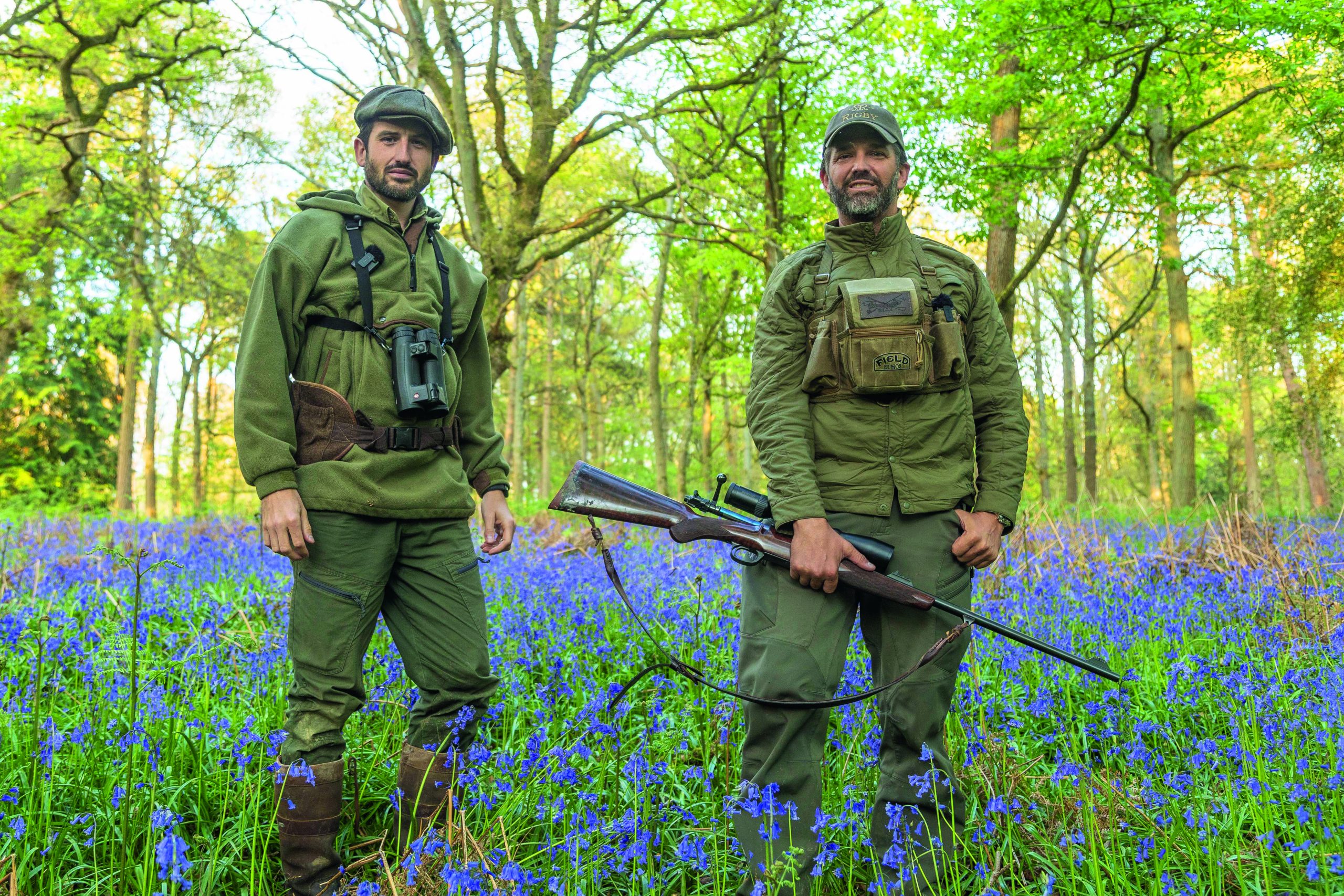
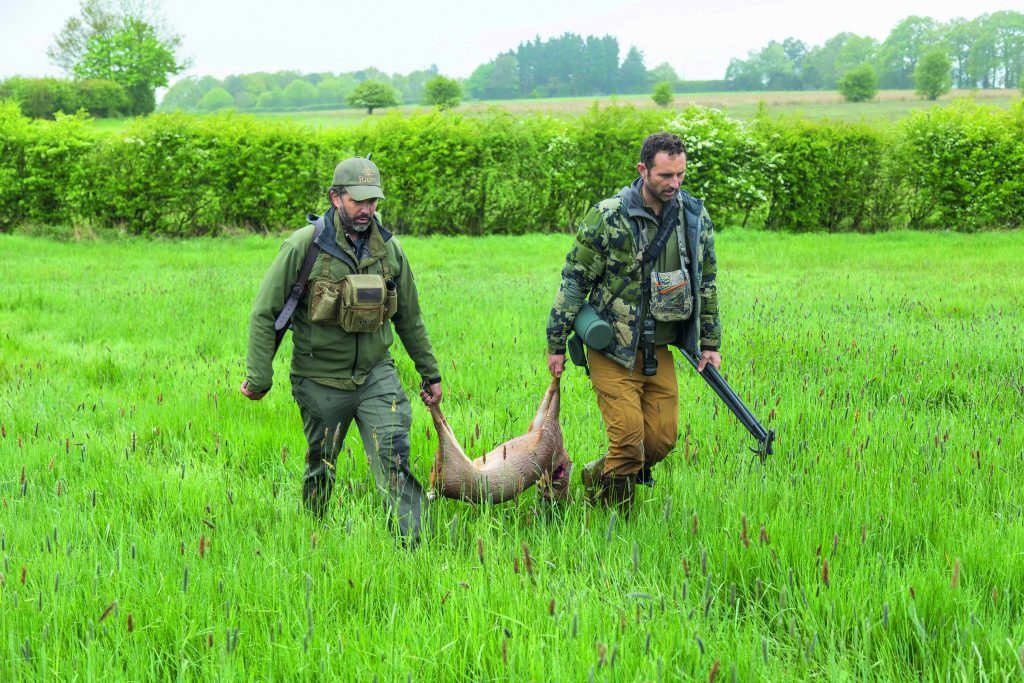
Donald Trump Jr. is an accomplished hunter and he sees it as his duty to help preserve this deeply rooted, very American and most human of traditions. And, in his words, hunting is great for getting his kids up and off the couch, too. On a recent springtime trip to the UK, as the countryside came back to life after a wet, grey winter, Don went deer stalking with this issue’s guest editor Marc Newton and guide Alex Nielsen. While stalking elusive roe deer and muntjac through bluebell-carpeted ancient woodland, he and Marc found time to sit down and chat about the role hunting has played in Don’s life and his thoughts on conservation, family and the importance of keeping things real.
“Hunting, shooting, fishing: these have all been a grounding element in a chaotic life. I’ve not been an angel, but hunting has kept me out of a lot of trouble. In our instant gratification society, anything that gets my children into the woods, onto a stream or on the range is doing a good job of setting them up for the future. And it’s great to act as a mentor to bring people from outside who want to give hunting a go.”
Why do we shoot?
It becomes clear that hunting is a way of connecting with people and the land wherever Don goes in the world. “It’s the ultimate adventure,” he says, and it’s the most authentic hunting experiences that stand out in his memory the most. Hunting with nomads in Mongolia for two weeks beats a stay in a luxury hotel every time. I prefer sitting around campfires sharing stories – and possibly just as many tall tales – with fellow hunters, just as man has for millennia.
“There’s something about being under the stars and hunting that’s in our DNA. Plus, the campfire is a great equaliser. In camp, at the end of a long day of success or failure, it doesn’t matter what’s in your wallet. Everyone’s the same. It’s also a great escape from some of the nonsense of the world. People pull too many punches these days; I want to make it clear why hunting is so important.”
An Oxfordshire spring stalk
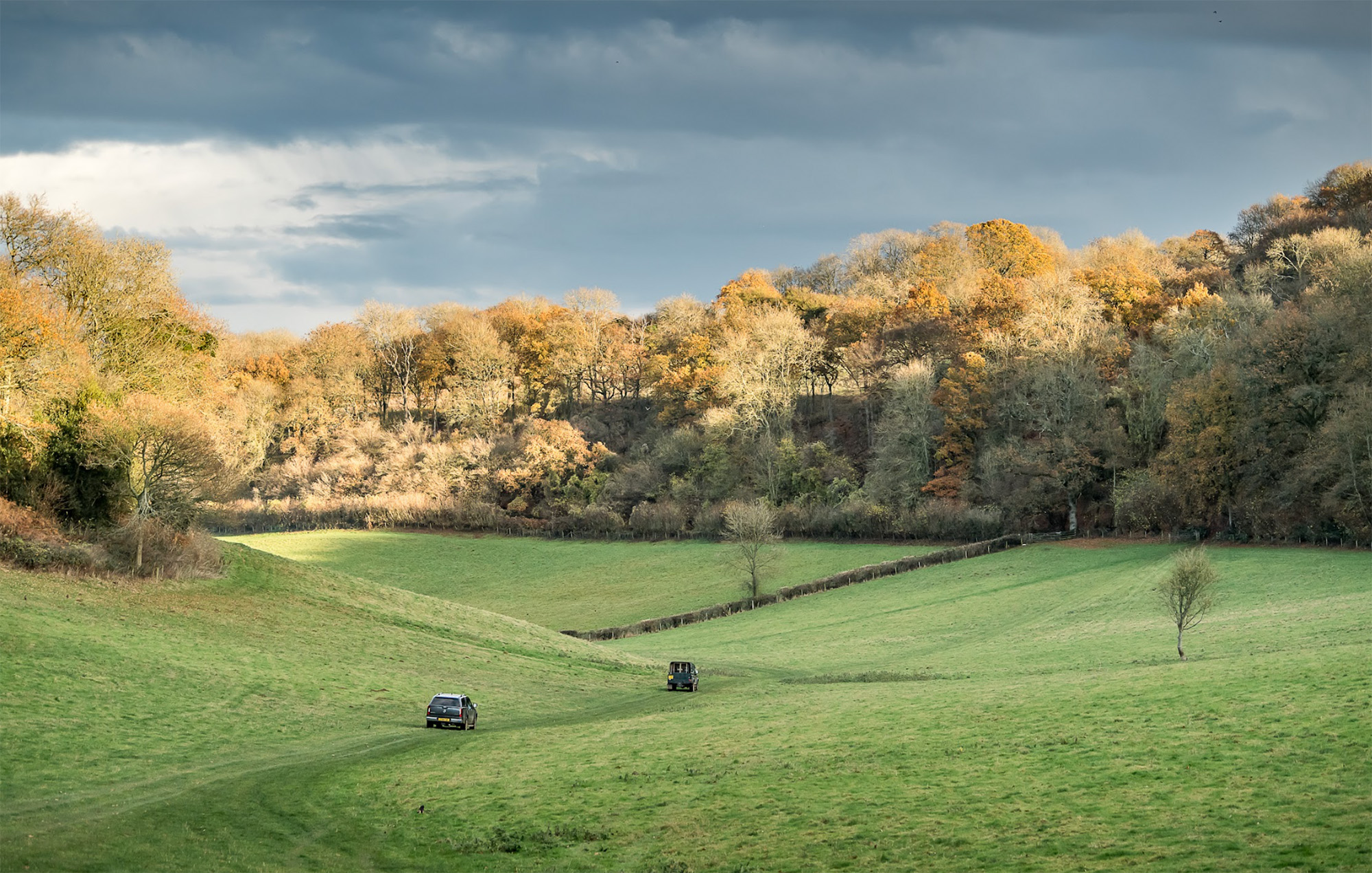
Don has an impressive list of hunts and outdoor adventures from every corner of the world under his belt, but his trip to England last spring saw him hunt roe deer and muntjac for the first time. The trio were hunting in Oxfordshire in May, a time that’s perhaps less iconic than the rut for stalking roebuck, but for passionate hunters still highly desirable. The land is the vivid, almost luminous, greens of springtime and the days are long enough to pack in rewarding stalking without depriving a hunter of sleep. The warmer days of July, when the rut is at its peak, mean early mornings or late nights to ensure encounters before the sun reaches the peak of its power.
As Marc stated quite simply, it just feels so good to be out at this time of year. “Don and I are lucky to be out hunting when the deer are very active; they’re carving up territories and charging about so you can really see what you’ve got on the ground. There’s also less cover because the grass and the crops, while they seem to be growing before your eyes, haven’t got that tall, so again you can see what animals you’ve got there.”
The land Don and Marc were hunting over is carefully managed by Alex, who spends the early months of spring making recce trips to assess the condition of the deer after the winter. Before the guests even arrive, he has a good idea of which beasts he wants to take out and why. As Marc comments, “With any kind of hunting, it’s always first and foremost about management. I was hunting with Don for two and a half days, and we got four or five outings in. We shot some beautiful old cull bucks, animals identified by Alex as being nearing the end of their natural lives.”
Ethical Deer Management in Action
There was plenty of discussion about this key role of the hunter, acting as stewards of the land and animals they’re hunting. Preserving, conserving and protecting them means pulling the trigger.
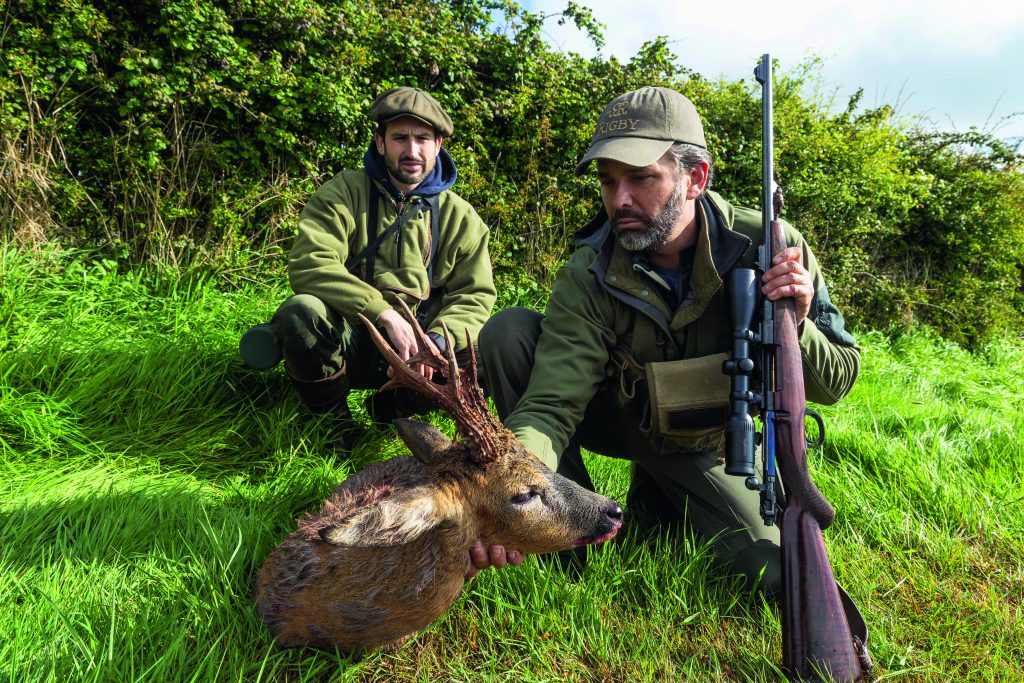
“We’re ethically taking out the old, the sick and the wounded and managing population surplus,” Marc says. “My daughter asks how I can love roe buck and yet shoot one. My reply is that by hunting a roe buck we are preserving the healthy future of the species, and this particular hunt certainly demonstrated that.”
Don continued: “One roe buck we took was in awful shape. He had a badly broken leg and almost starting to rot in his own body, so to be able to put him out humanely was the right thing to do. It reminds us of what we’re here for. We’ve hunted in the most pristine landscape today and it’s key that we can conserve that for the future.”
As well as musing over their shared ethos when it comes to hunting, Marc was delighted to have the chance to show Don an often unseen side of England, and at one of his favourite times of year.
“I always enjoy taking people out in May, or just hunting with people who haven’t been out stalking in the UK before, because then it’s always lovely to see it afresh through their eyes. They always say to me, ‘oh my god, I can’t believe we’re in England right now’! It was great spending time with Don, he has a great sense of humour, is upfront on his views and he handled my Highland Stalker rifle with ease. He really did shoot phenomenally well.” As Don is keen to clarify: “That’s four shots, four kills!”
Hunting with a Rigby rifle
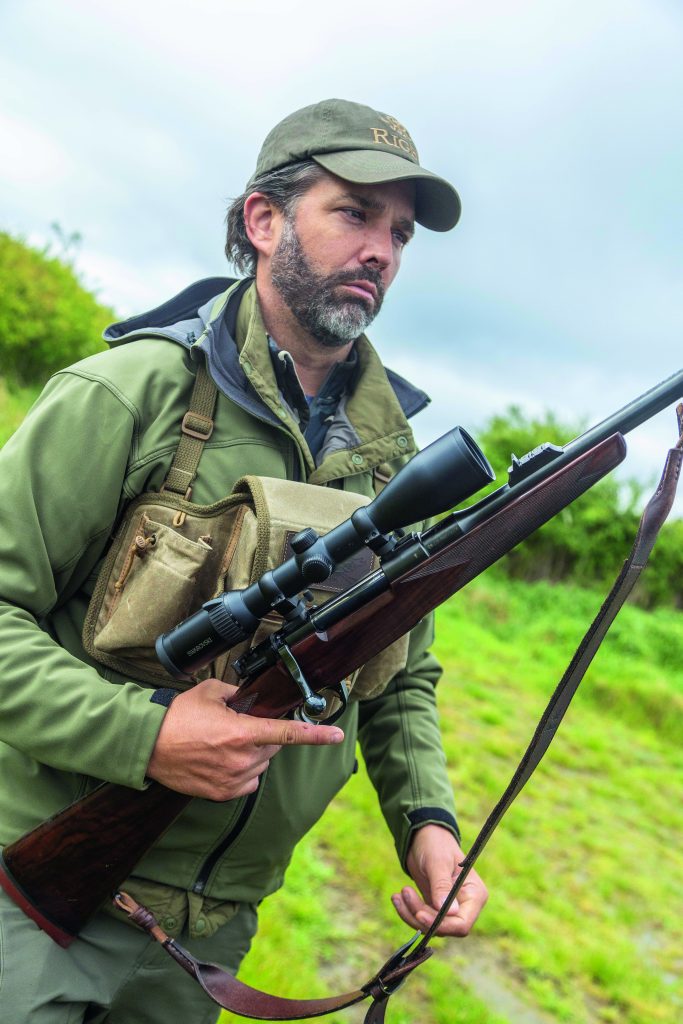
So, what did he think of shooting Marc’s personal Rigby rifle? “I’ve been really impressed with it. Lately, I’ve been shooting shotguns, lots of clay guns, and then with the rifles I’ve really gone way down the precision, long-range rabbit hole in the last two decades. But to be able to do this, taking part in such a traditional sport with a proper, handmade gun, made the whole thing better. It’s how it’s supposed to be done.
The Highland Stalker is still an aspirational gun, but it’s not out of reach for many people. I know it would be capable of doing its job around the world but here, in these woods, it’s perfect. My visit [to the UK] has been an incredible experience across the board and so many of the things we have done have been packed with history. But, of course, the hunting is always the best part of any trip.”
Marc shares the sentiment and reflects on the motivation that gets us off our comfortable sofas and out into the wild. “I think the reason we go hunting is often for the sense of community and spending time with one another and it touches something very deep within all of us. We’re just three blokes out there spending time with one another. I can imagine our ancestors doing much the same thing, whether it was with a gun, rifle or spear and bow. It is, I believe, a fundamental part of being a human being, the interaction with nature.”
“I can say with confidence that I’ve ruined many a great day’s hunting by pulling the trigger,” Don laughs as they finish up. “Not because I missed or got it wrong, but sometimes it feels a shame to break that magic by firing. But when you boil it down, that’s what we’re there for: to hunt. That’s the whole point.”
Related Articles
Big game
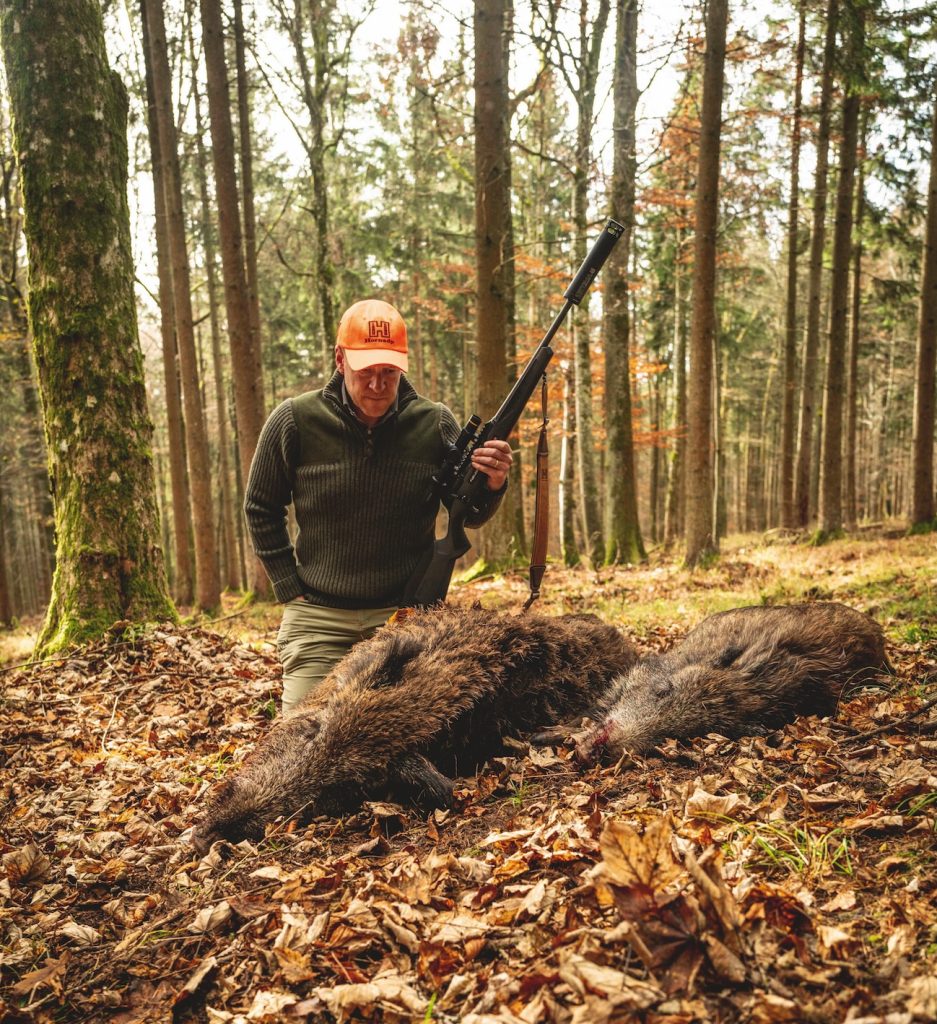
Inside the historic Oettingen driven hunt
For the first time in its history, the famed Oettingen driven boar hunt opened to outside guests. Simon K. Barr joined the inaugural party to experience a remarkable blend of heritage, wildlife manage...
By Simon K. Barr
Big game
The art of hunting sika
Marc Newton shares his account of a recent hunt for the elusive sika in southern England
By Fieldsports Journal
Get the latest news delivered direct to your door
Subscribe to Fieldsports Journal
Elevate your experience in the field with a subscription to Fieldsports Journal, the premium publication for passionate country sports enthusiasts. This bi-monthly journal delivers unparalleled coverage of game shooting, fishing and big game across the UK and beyond.
Each issue offers a stunning collection of in-depth features, expert opinions and world-class photography, all presented in a timeless yet contemporary design.
Save 16% on shop price when you subscribe, with a choice of packages that work for you. Choose from Print & Digital or Digital only with each journal delivered directly to your door or via the app every other month, plus access to past issues with the digital back issue library.