- More
-
-
- No posts selected.
-
-
-
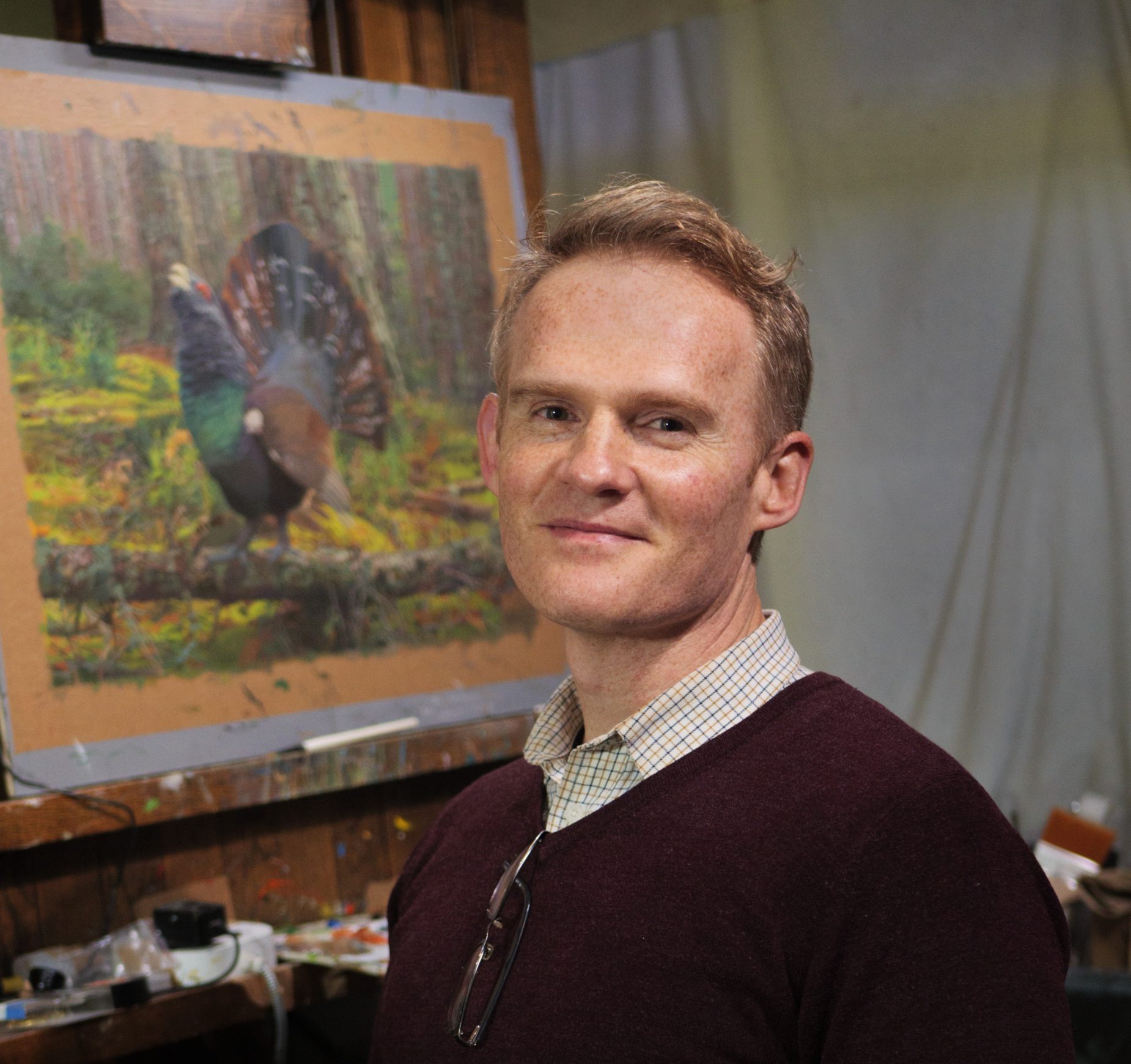
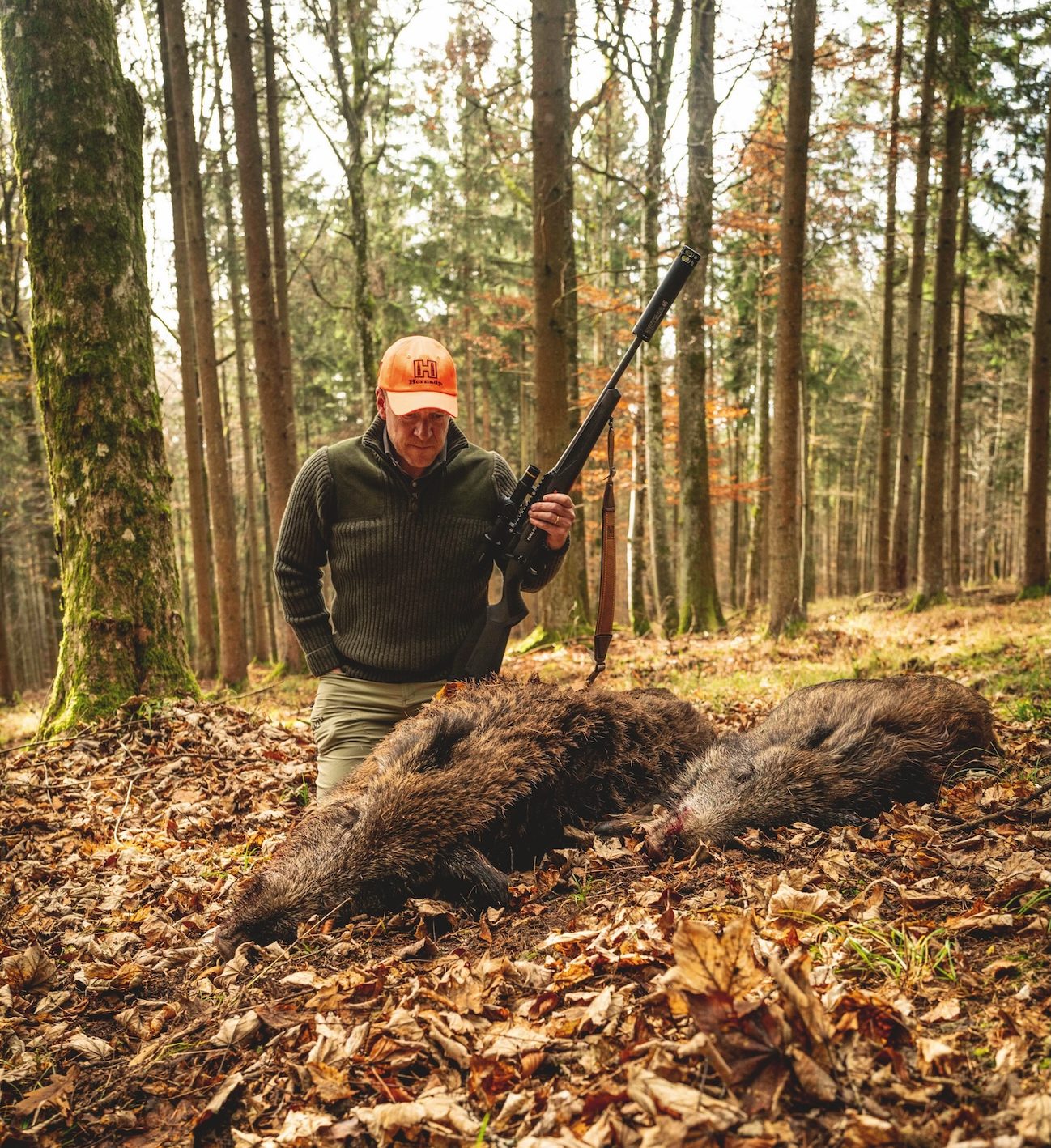
Guy Grieve: master of reinvention
Guy Grieve is a multi-talented adventurer, entrepreneur, television presenter, author – and hunter. In our exclusive interview, he talks about his philosophy around shooting and fishing.
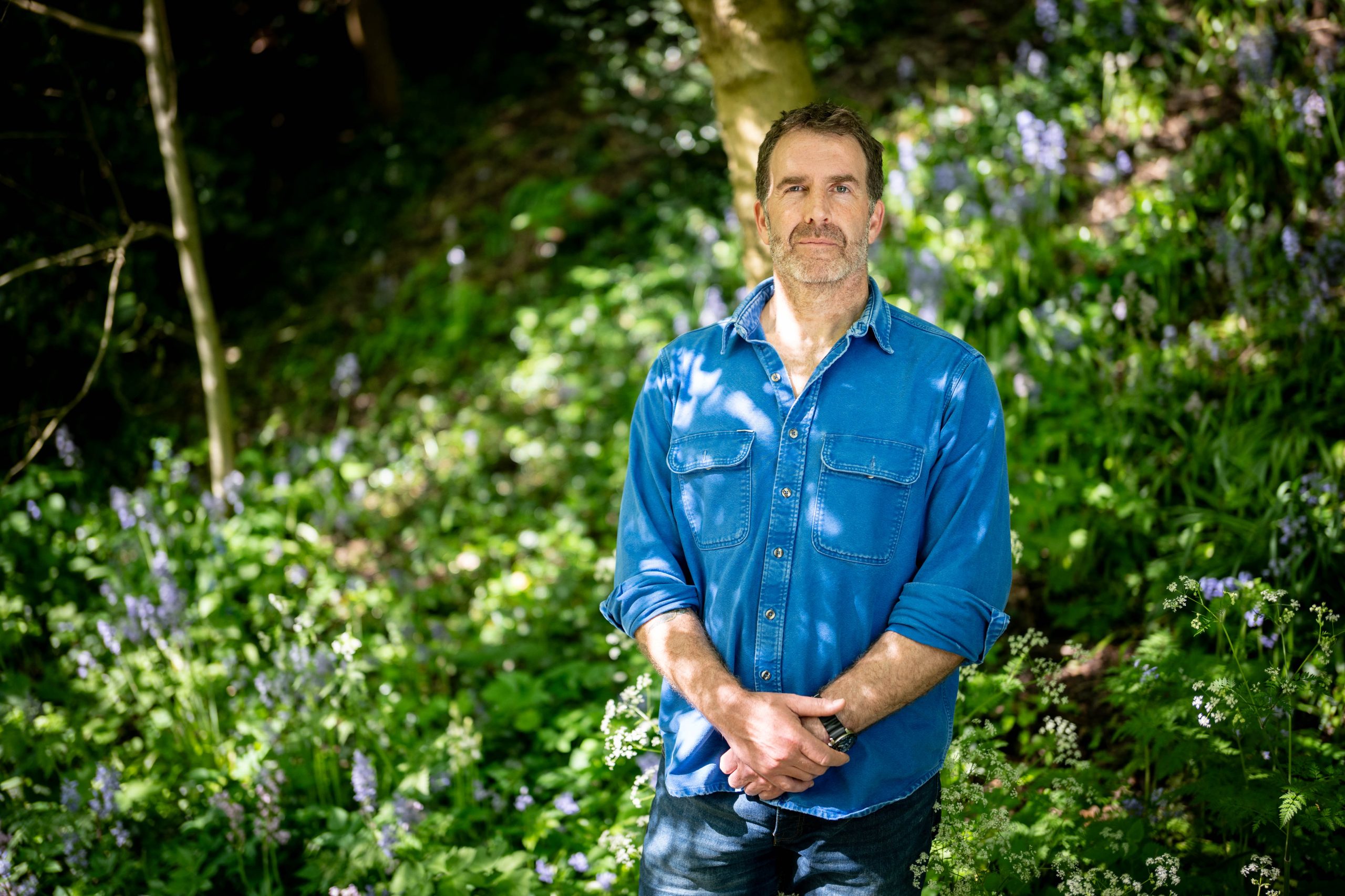

I am so sorry for being late,” Guy explains in a fluster as he locks up his bicycle outside Dean Gardens in Edinburgh ahead of our photo shoot. “I had to deal with a work emergency. I actually hate business. It’s just not my thing in many ways but it’s a necessity.” I get the impression he isn’t a desk person. Ever-evolving Guy recently launched his latest venture – Atlantic Garden – which specialises in organic seaweed-enriched compost. But before we enter the slippery world of seaweed, let’s rewind to when Guy was selling advertising space at The Scotsman newspaper.
“I stayed in that role for five long years until I had an existential crisis. Shortly after a promotion, I realised that it was all becoming a bit too comfortable. My life back then felt as if it was going nowhere real – I was trapped in a job I hated, commuting 2,000 miles a month and up to my neck in debt. To outsiders, I seemed to have it all. A wonderful wife and two young kids, a smallholding in the Scottish Borders and a steady job. Yet I was miserable. The job felt like a prison I couldn’t escape, and I spent all my waking hours searching for a way out. I had stopped feeling anything. I realised I didn’t actually care about year-on-year profits or spreadsheets. I needed desperately to find some kind of profound contrast in my life.”
Living off the land
Eventually, Guy’s search led him to Alaska, and he began dreaming about building a cabin in the wilderness and living off the land. “So in 2004, aged 29, I jacked in my job, and convinced my newspaper editor to pay me to write a weekly column, found a few sponsors, and began preparing for the trip. With my family’s blessing, I spent an entire year living on my own in the remote tundra about 90 miles south of the Arctic Circle. My sons were aged just five and one so the decision wasn’t made lightly.”
Hunting played a pivotal role throughout his time there, especially in the early months. “I had a .22 which kept me alive. If I wasn’t successful with my rifle, I ate fried flour for days on end. On good days I gorged on ruffed and spruce grouse. I used to hunt them against the moon when they were roosting. Obviously, this isn’t sporting but when you’re hunting for the pot, that’s how you do it. Frustratingly, I didn’t have enough money to get a licence to hunt moose, but I really could have done with hunting one, because that would have got me 1,500 kilos of meat. Later on, I learned how to trap beaver under the ice when the temperature was often -50°C before wind chill. Not only did this provide sustenance for me but also my pack of seven huskies. Beaver is a great arctic food source as they are like inland seals – full of fat and meat and weighing up to 50lb.”
When it comes to the subject of hunting, Guy has strong views: “It can be a difficult topic for some people. These same people spend a lot of time rightly thinking about animal husbandry and living conditions. They rarely consider how the animal was actually killed. I have a largely vegetarian diet now, but I will still hunt for the pot because it is the most humane way to bring meat to the table. In terms of the ethics, I think hunting is the most defensible way of bringing meat into the food chain.
“A farmed animal is, in the end, betrayed by the human that has kept it alive. It is then transported and subjected to the huge psychological damage of waiting around for hours to die, surrounded by the scent and sound of death, and then it’s killed. A deer that is shot with a rifle doesn’t even hear the bullet that kills it. It travels faster than the speed of sound. The deer won’t see the hunter either. One moment it is alive, the next it is dead. For humane reasons, I will always hunt.”
A life-changing move
Three years after his return from the Alaskan wilderness, Guy was living on the Isle of Mull with his family. However, Guy and his wife Juliet, who has an equally adventurous spirit, soon became restless and a craved a break from routine. So they re-mortgaged their house, took the children out of school and bought a 41ft sailing yacht named Forever. The plan was to spend a year sailing 15,000 miles from Venezuela to Scotland, via the Caribbean. The only snag was that Guy – who was to be skipper – had almost no sailing experience.
Without question, the foursome experienced countless life-affirming moments surrounded by nature, but there were also testing times as they grappled with debilitating seasickness and storms, entertaining children at sea and running a large, complex boat. The reality had turned out quite differently to the idyllic dream they had envisaged. However, this time, it was an adventure which engaged the whole family and, in many ways, became a defining moment in the lives of their two sons.
Why do wild places inspire us?
When Guy returned to Mull, he became a professional scallop diver. In 2010, he set up the Ethical Shellfish Company and ran it for 12 years with Juliet and the business won multiple awards. “I had always loved cold water swimming so it all just clicked. The seabed was another pure wilderness, any form of arrogance or pride would have got me killed. I applied one of the first lessons I learnt in the wilderness of Alaska which was to become a devout coward and an expert at running away. At times it was incredibly dangerous and could be very dark in the winter.
At our peak, we were harvesting 10,000 king scallops a week and supplying them to all the top restaurants in Britain. Then Covid hit, and that figure went to zero overnight. To top it off, we had literally just taken out finance on a second vessel. We were also both divorced so with a bit of sadness on both sides realised it was time to find new roads.”
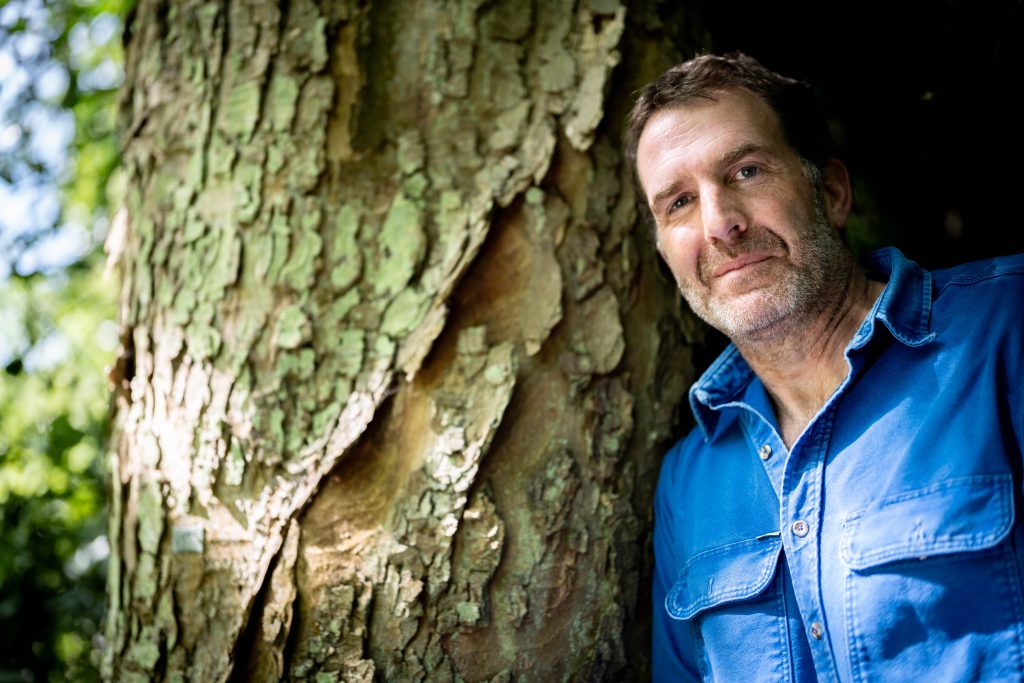
Guy says he misses being enveloped in nature. “Living in the city of Edinburgh can feel alien at times. I profoundly miss nature, primarily because it’s an escape from oneself. In Alaska, one of the best things I used to do was just climb up a tree, get myself comfortable and spend the entire day there sitting quietly, just waiting to see what would come by. The moment we humans actually stop, everything that’s been hiding from us comes out. I worship the outdoors. I yearn for it. I long for the great silence and sound of it.”
Parenthood and fieldsports
“My sons Oscar and Luke, who are now in their 20s, are so much better than I was at that age. Calmer and more settled and clear about what they want to achieve with their lives. Maybe they are benefitting from the fact that they had nothing but action with Juliet and I when they were kids? I’ve not done as much fishing and rough shooting with them as I’d like and when I have taken them along they have mainly spent the time laughing at how incredibly good I am at missing! Back when we had the smallholding, I would often take them pigeon shooting and deerstalking.
“We had a wonderful retriever whom I trained and we adored her, but after a while I sensed she was getting bored as I wasn’t shooting enough so she went and lived with a dear friend who was a gamekeeper in Dorset where life was absolutely full for her. Right now the boys are finding their own way in the world and maybe they will shoot or fish more as they grow up or maybe not. To them, it is just part of normal life, rather than a sport.
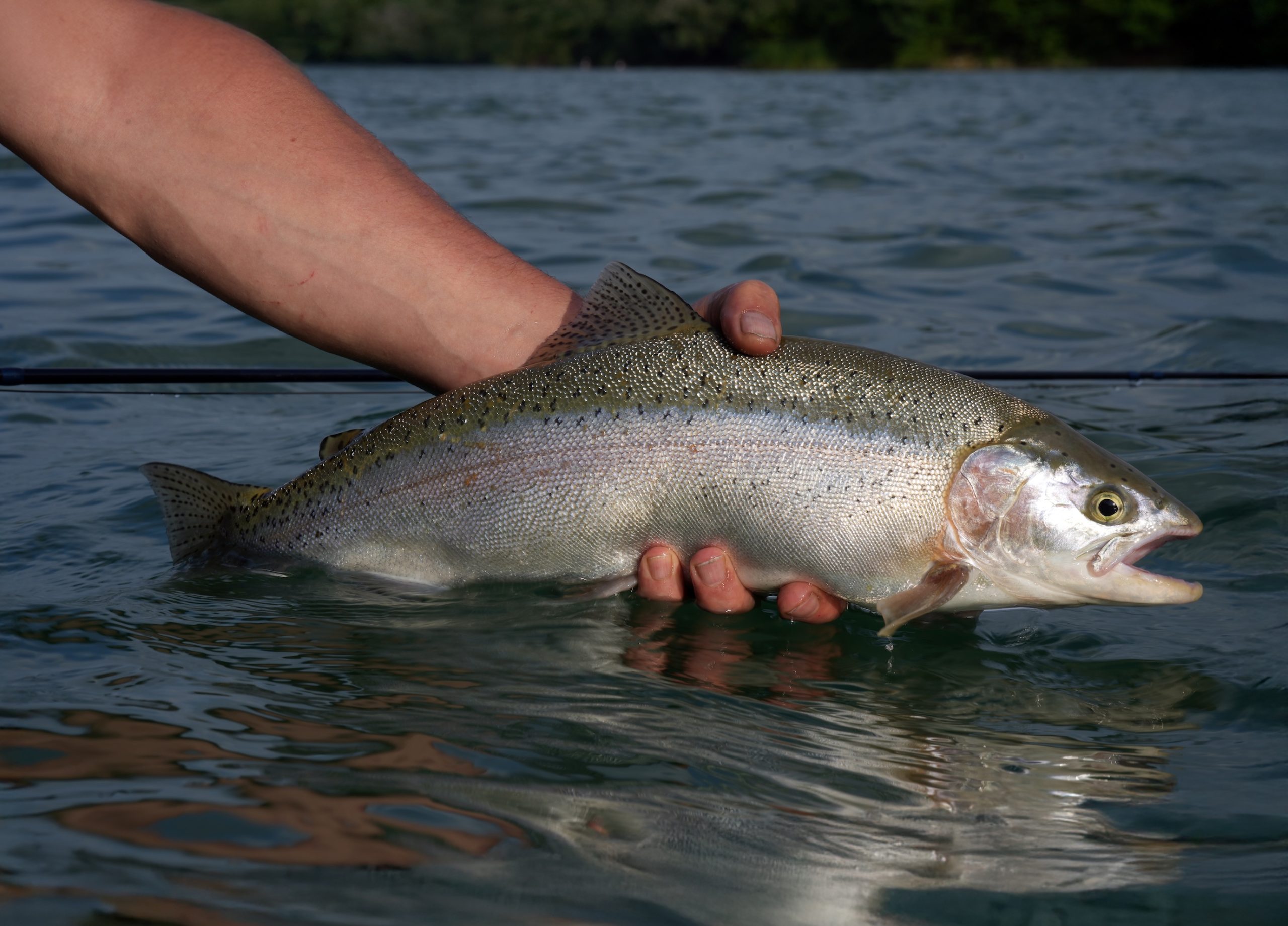
“I am an exceptionally bad fisherman and have the dubious honour of having towed a lure for 12,000 miles and caught absolutely nothing. Last spring I was invited to fish on an incredible beat on the Tweed. After casting fruitlessly from the boat with the ghillie patiently watching me, I downed my rod and insisted we swap places telling him that I know boats; I do not know Circle Cs. I wanted to watch it done well. In just three casts, he’d hooked a salmon, looked at me and shrugged modestly as we both laughed. I’m just as happy to put a worm on a hook, cast it out with a float into a loch, then roll a cigarette and have a lovely read of a book and wait to see what happens.”
Plans for the future
In 2013, Guy filmed a hugely popular documentary about the San people in Namibia called The Hunger Death Race for Discovery Channel. In it, he spent eight weeks living with the bushmen and hunting gemsbok, kudu and guinea fowl. “They use the same tools and tactics that have been depicted on cave drawings that date back to 36,000 years BC. After darting an animal with poison made from crushed beetles, the tactic was to make the animal run in the hottest part of the day so that it overheated. It’s called endurance hunting. The San people simply track the animal until it is too exhausted to run anymore. It was a great privilege to spend time with these fascinating and supernaturally gifted hunters.”
Perhaps one of the reasons for Guy’s itchy feet can be traced back to when he was a teenager and watched his beloved stepfather die of cancer, aged 47. “He did a 9-5 job every day and dreamt that one day he would be able to do ‘what he really wanted’, which was to get closer to nature and live simply and well. So that’s why I try to DO what I dream about.” Fair enough.
Guy says the problem with a lot of these epic experiences is it does make taking normal life, and oneself, seriously quite difficult sometimes. Life is comparatively sedate right now as he ploughs all his energy into his new compost business. “Back when I was diving, I realised the potential of the seaweed as I knew it was used as an ameliorant to enrich soils. This is a common practice in coastal communities around the world.”
The seaweed, mainly kelp, is stacked into long 4m-high windrows where it gently heats up and breaks down. Then follows a labour-intensive stage where plastic and other seaborne contaminants are removed by hand before being offered for sale as a soil improver, mulch, or seaweed-enriched compost. Guy’s typically progressive nature has seen him disrupt the market by packing his compost in packaging which itself will home compost in 180 days rather than the ubiquitous plastic sacks and donating a percentage of the profit to a Scottish beach-clean charity.
Away from compost, Guy has just finished writing his first fiction novel. A contemporary thriller based around a scallop diver with a slight supernatural element to the narrative. “My agent has sent it out to several publishers so I am anxiously waiting to hear back. I think it is a pretty poor book to be honest as fiction is very difficult to write and I might have got it completely wrong. We will see. I have all sorts of projects bubbling away but for now, it is nice to be on dry land and not grappling with the wind.”
Related Articles
Fly fishing
People
Alex Jardine: family ties on the riverbank
Alex Jardine, the son of recent guest editor Charles Jardine, is a guide with specialising in British chalkstream and international fly fishing. Here, he allows us a glimpse into some of his most trea...
By Fieldsports Journal
Get the latest news delivered direct to your door
Subscribe to Fieldsports Journal
Elevate your experience in the field with a subscription to Fieldsports Journal, the premium publication for passionate country sports enthusiasts. This bi-monthly journal delivers unparalleled coverage of game shooting, fishing and big game across the UK and beyond.
Each issue offers a stunning collection of in-depth features, expert opinions and world-class photography, all presented in a timeless yet contemporary design.
Save 10% on shop price when you subscribe, with a choice of packages that work for you. Choose from Print & Digital or Digital only with each journal delivered directly to your door or via the app every other month, plus access to past issues with the digital back issue library.