- More
-
-
- No posts selected.
-
-
-
★ Win a Schöffel Country shooting coat for everyone in your syndicate worth up to £6,000! Enter here ★
Grey partridge conservation in Scotland
Grey partridge conservation in Scotland is back on the agenda at Gordon Castle Estate in Speyside, where chef Tim Maddams visits to see the team working to bring wild coveys back to a landscape that hasn't heard their call in decades.
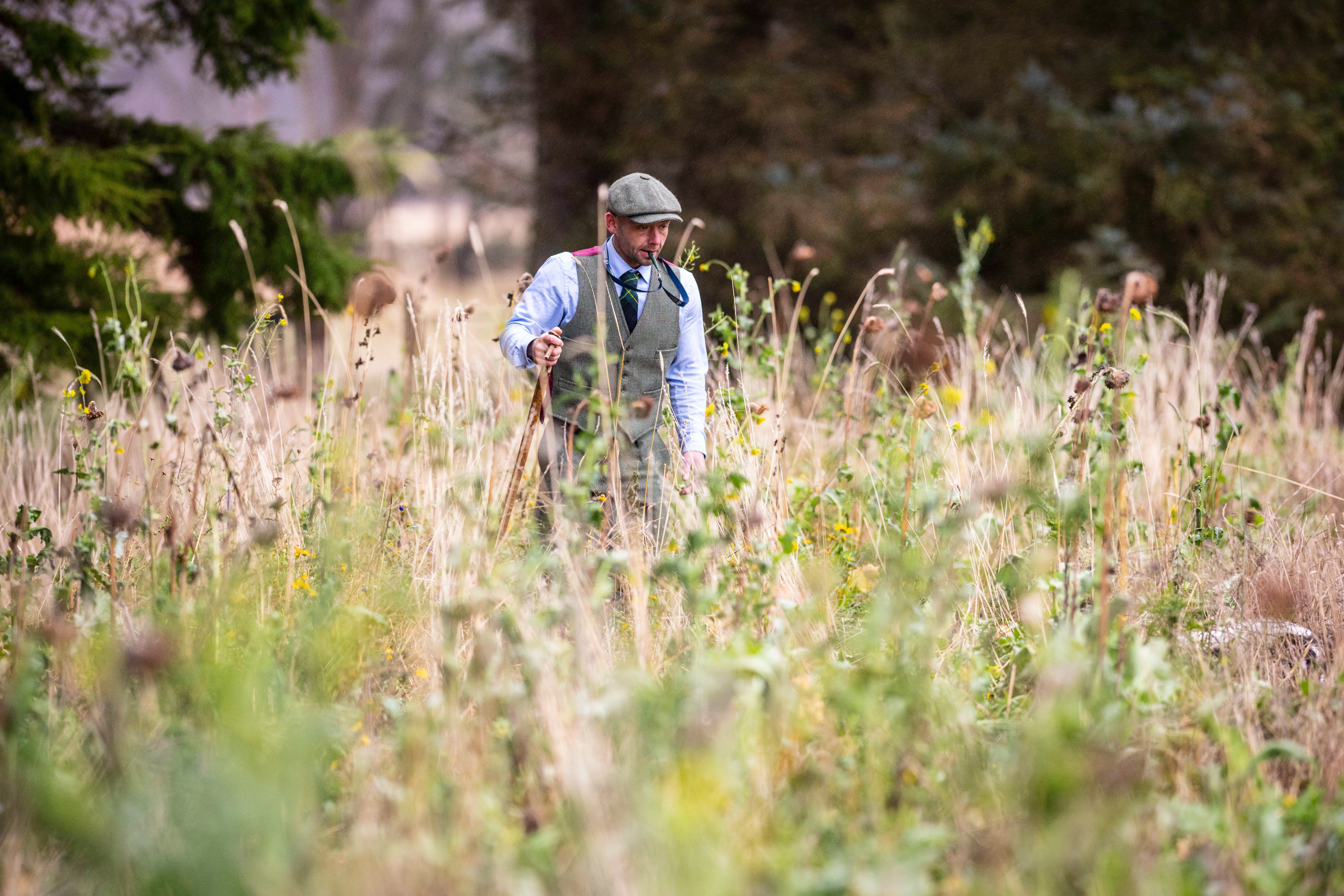

Photography: John Paul
Grey partridges were once a defining feature of north-east Scotland’s countryside. At Gordon Castle in Fochabers, coveys were a reliable fixture well into the 1980s. Then came the familiar story. Farming intensification accelerated. More reared birds were released for shooting. The wild greys couldn’t compete, and by 1984 — the last recorded grey partridge year on the estate — the decline was irreversible.
Numbers crashed and never recovered. Today, a single remnant covey survives in a quiet corner of Spey Bay. It is a haunting echo of what this landscape once held.
Grey partridge conservation in Scotland has gained momentum across the UK in recent years. In 2023, estate owner Angus Gordon Lennox decided Gordon Castle would become part of that story. Working with estate factor Toby Christie, he set about finding the right person for the job.
Finding the right keeper
That person was Sam Osborn. He is a quiet, methodical upland keeper. He came to Gordon Castle with one ambition: to do what so many attempt and so few achieve. Restoring a self-sustaining wild grey partridge population is among the hardest tasks in British game management.
Since arriving, Sam has transformed the estate’s ground. Mixed margins now frame fields across the property. These strips support not just partridges but invertebrates and wildflowers that had long since disappeared. Pest control has been reinstated and taken seriously.
It hasn’t been straightforward. Wild pairs sourced through the grey partridge network were housed in pens over winter. Then vandals struck, destroying the enclosures. Most birds were eventually located. Many had already moved into the new hedgerows and margins to set up territory in spring — which, in north-east Scotland in 2024, barely arrived at all.
“June effectively didn’t happen,” as one local keeper put it. Many of Sam’s carefully managed clutches failed to hatch in the cold, wet conditions.
Balancing the books
Grey partridge conservation in Scotland doesn’t come cheap. To help cover costs, a small pheasant shoot has been introduced at Gordon Castle. Sam is pragmatic about it. “We need to get some shooting going to help balance the books,” he explains. “The outlay has been significant and we don’t want to hammer the wild ducks, geese and woodcock — we’re about conservation as much as shooting.”
He estimates it will be four or five years before a stable breeding population is established. If things go well, walked-up days over pointers may eventually follow.
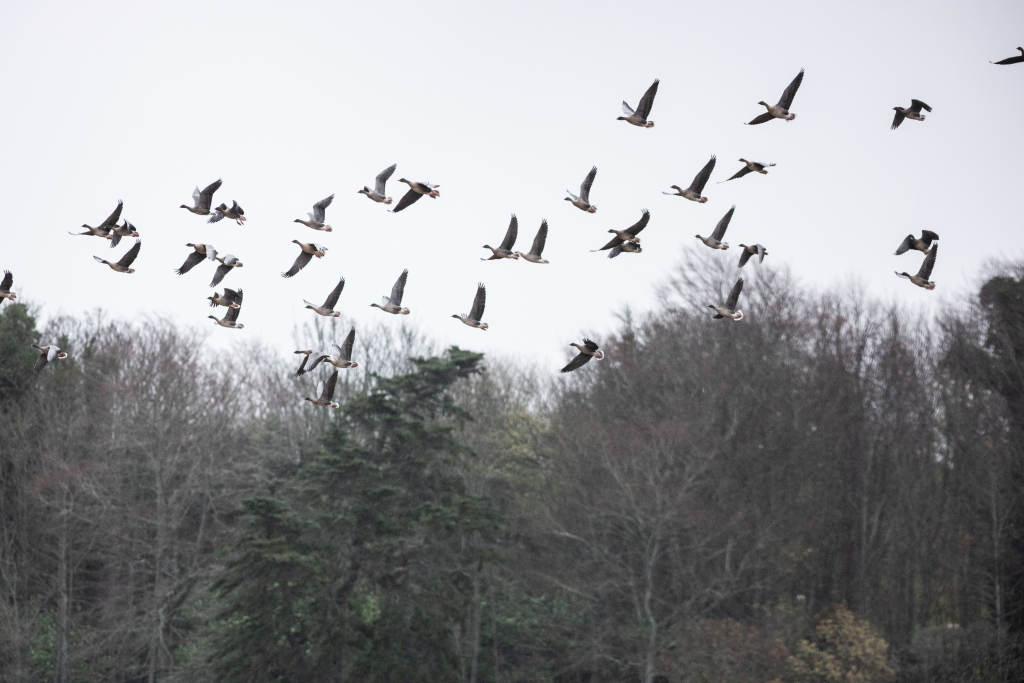
A day out with Sam illustrates both the promise and the challenge. We walked The Fingers — strips of old hedgerow surrounding fields of grass and stubble. Pheasants burst from the margins in the teeth of a gale. Ducks lifted off a backwater and gained height fast in the wind. Geese lifted from a distant field. It is wild, exposed, unforgiving country. It is also, increasingly, managed with purpose.
We discussed cover crop mixes in driving hail. Sam knows exactly which plants benefit partridges and which ones the pheasants monopolise. The detail matters. This kind of grey partridge conservation in Scotland is built on precisely that level of attention.
A glimmer of hope for the future
Back indoors with estate factor Toby Christie, conversation turned naturally to the long view. The losses of recent decades across rural Britain are well documented. But something has shifted in the past ten years. Landowners are investing in wild game recovery. Conservation work is being taken seriously on private ground — funded not by public money, but by people who care about what they stand to lose.
Grey partridge conservation in Scotland sits within that broader movement. At Gordon Castle, it faces the additional pressures of Scotland’s rapidly changing land use picture. Rewilding schemes and green investment funds are absorbing more and more of the countryside every month. Against that backdrop, projects like this one matter more than ever.
The grey partridge is a quiet, unshowy bird. It doesn’t generate headlines the way raptors or red squirrels do. But its return to the barley fields around Fochabers would mean something significant. It would mean that careful, committed, ground-up conservation work can still win.
Grey partridge conservation in Scotland is far from finished. I for one will be applauding loudly when the grey partridges can be heard calling across the barley fields of Fochabers.
Related Articles
Game shooting
Uncategorized
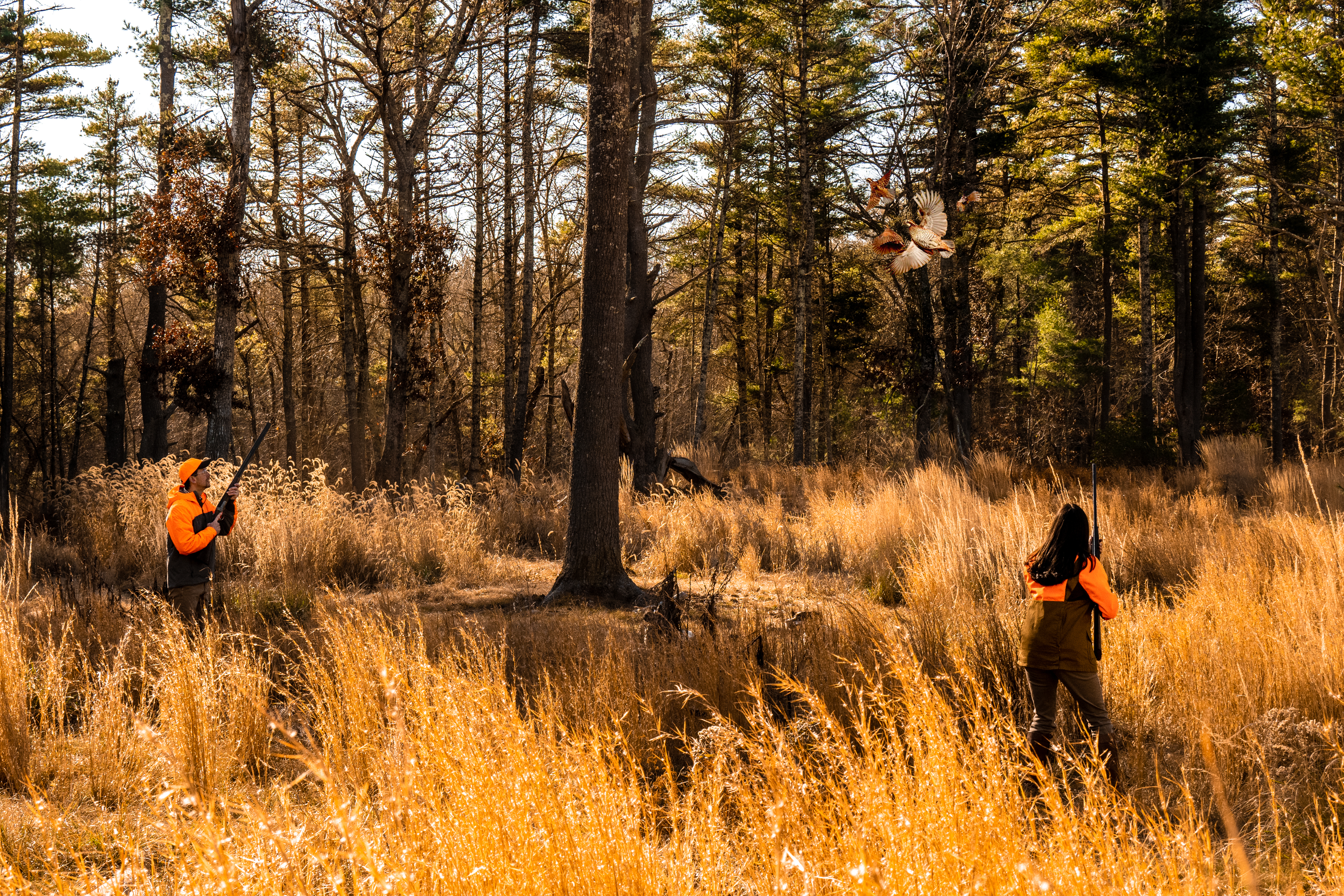
Bobwhite quail hunts in New England
Rhode Island's 3,500-acre Preserve Sporting Club has become one of America's finest destinations for walked-up bobwhite quail hunting
By Selena Barr
Game shooting
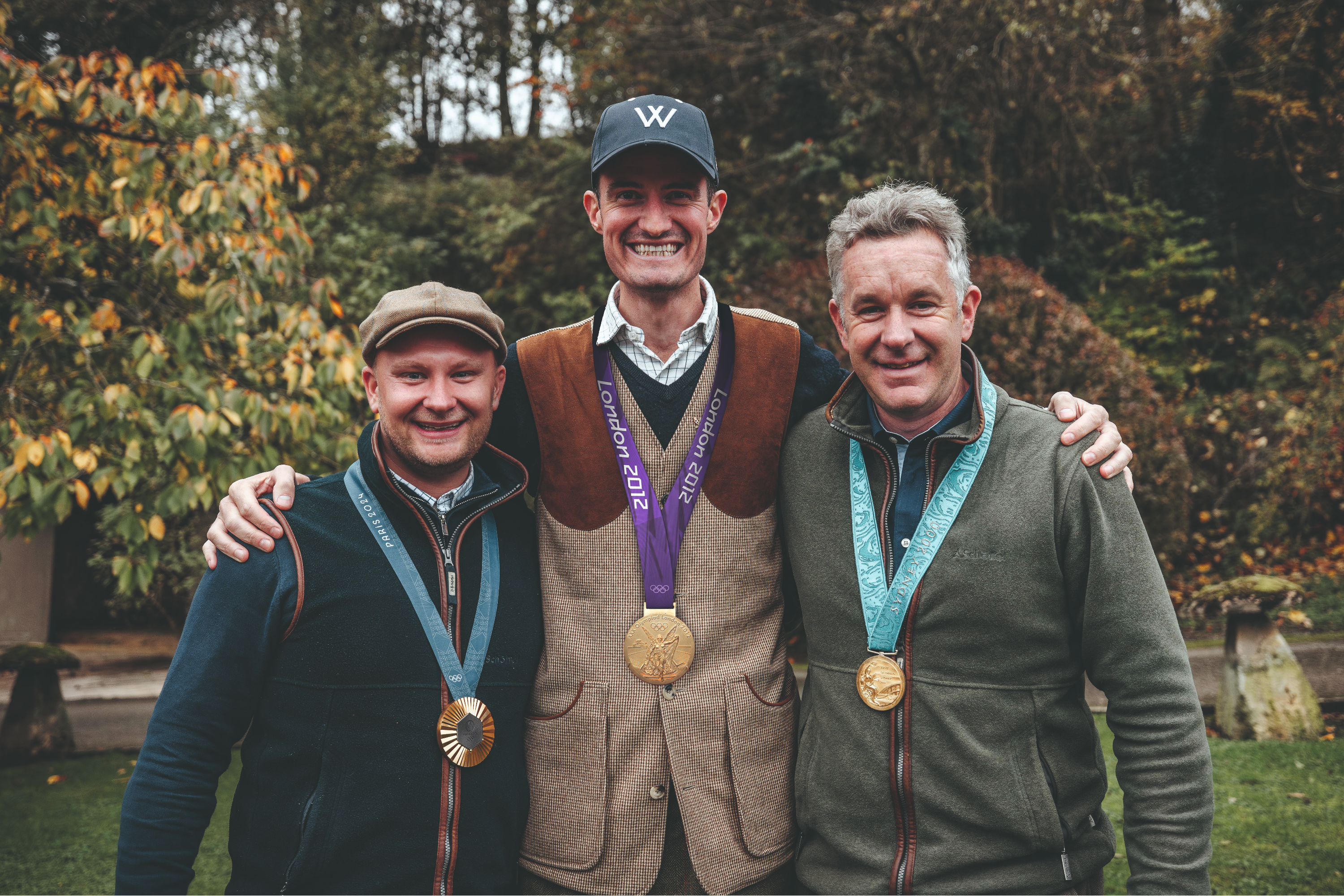
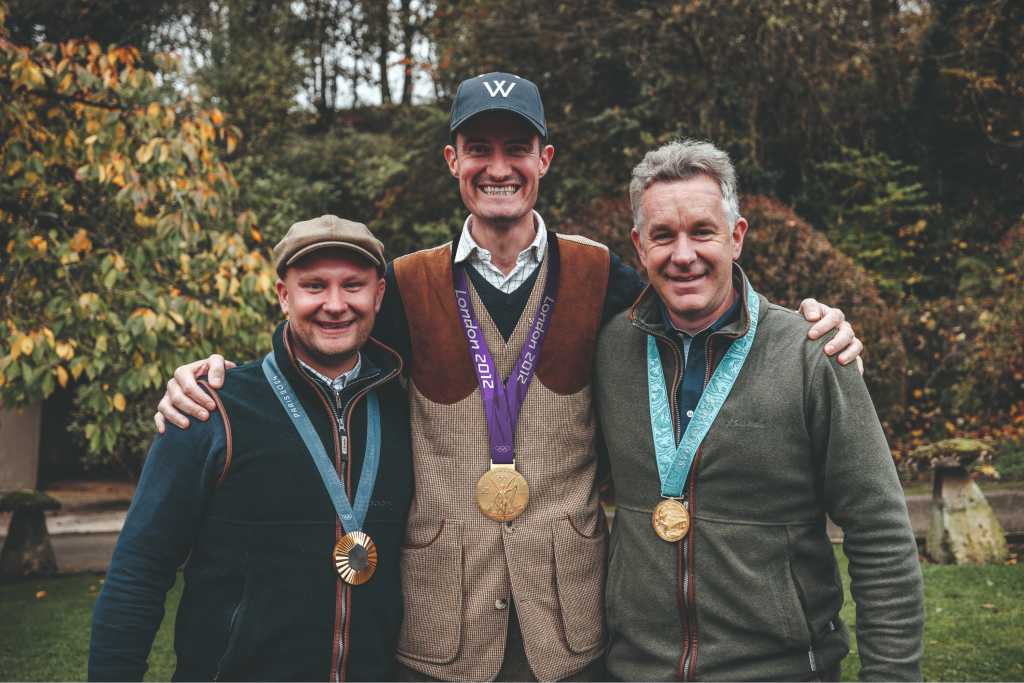
Olympic gold medallists shoot at Brimpsfield Park
Matt Kidd travels to a Cotswolds shoot with three Olympic gold medallists for a spectacular day's game shooting
By Fieldsports Journal
Get the latest news delivered direct to your door
Subscribe to Fieldsports Journal
Elevate your experience in the field with a subscription to Fieldsports Journal, the premium publication for passionate country sports enthusiasts. This bi-monthly journal delivers unparalleled coverage of game shooting, fishing and big game across the UK and beyond.
Each issue offers a stunning collection of in-depth features, expert opinions and world-class photography, all presented in a timeless yet contemporary design.
Save 10% on shop price when you subscribe, with a choice of packages that work for you. Choose from Print & Digital or Digital only with each journal delivered directly to your door or via the app every other month, plus access to past issues with the digital back issue library.