- More
-
-
- No posts selected.
-
-
-
★ Beat print – get early access to the news by signing up to the Fieldsports Journal newsletter here ★


8 myths and mistakes that experienced Guns still make – hearing protection
Even the most experienced Guns carry bad habits when it comes to hearing protection. From “it’s only a few shots” to misplaced trust in moderators or foam plugs, these small decisions add up to permanent damage. This article breaks down the most common myths and mistakes seasoned shots still make — and how to fix them without spoiling a day in the field.

Stand on any peg, clay stand or rifle range and you’ll hear the same stories.
“I’ve always done it this way.”
“My ears are fine.”
“It’s only a few shots.”
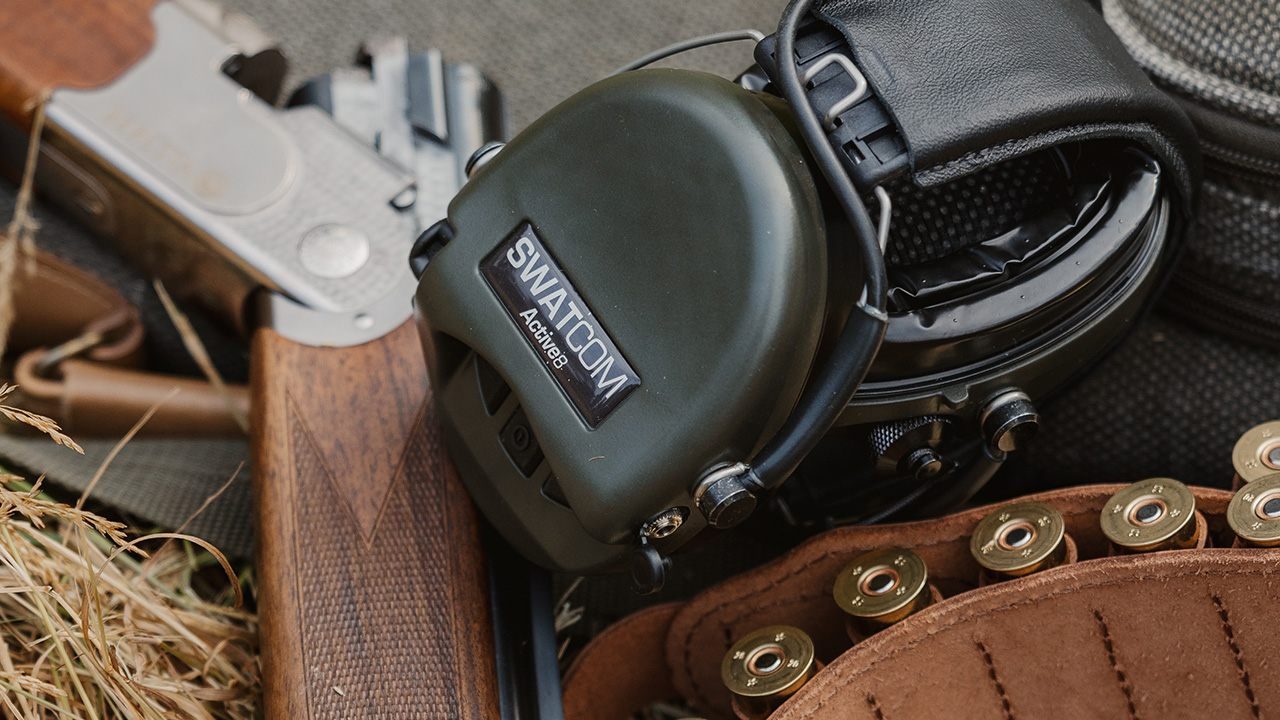
The reality is that a lot of very experienced shots carry around a set of bad habits when it comes to hearing protection. They may own decent shooting ear defenders or shooting ear plugs, but the way they actually use them ranges from half‑hearted to downright risky.
This isn’t about lecturing anyone. It’s about being honest with ourselves. Most people in the shooting world know someone whose hearing has been badly damaged by years of unprotected noise. For many, that “someone” is the person in the mirror.
Let’s walk through the most common myths and bad habits, and how to fix them without spoiling your day in the field.
Myth 1: “It’s only a small day, I don’t need them.”
This is probably the most common excuse of all.
You hear it before an impromptu patterning session, a quick zero check, or a little walked‑up day with a handful of birds on the card. The thinking goes that because it’s not a 400‑bird day or a 200‑target sporting layout, those few shots won’t matter.
The problem is that your ears don’t keep a calendar. They only experience exposure. One unprotected shot is one more brick in the wall of damage.
Noise‑induced hearing loss is cumulative and permanent. You don’t wake up one morning “suddenly deaf” from a single cartridge, but every blast without protection chips away at the delicate structures in your inner ear. Add that to years of lawnmowers, tractors, chainsaws and slightly too‑loud car radios, and the “odd” unprotected shot isn’t so odd anymore.
Better habit
Decide that if there is a chance of pulling a trigger, you put some form of hearing protection on. Full stop.
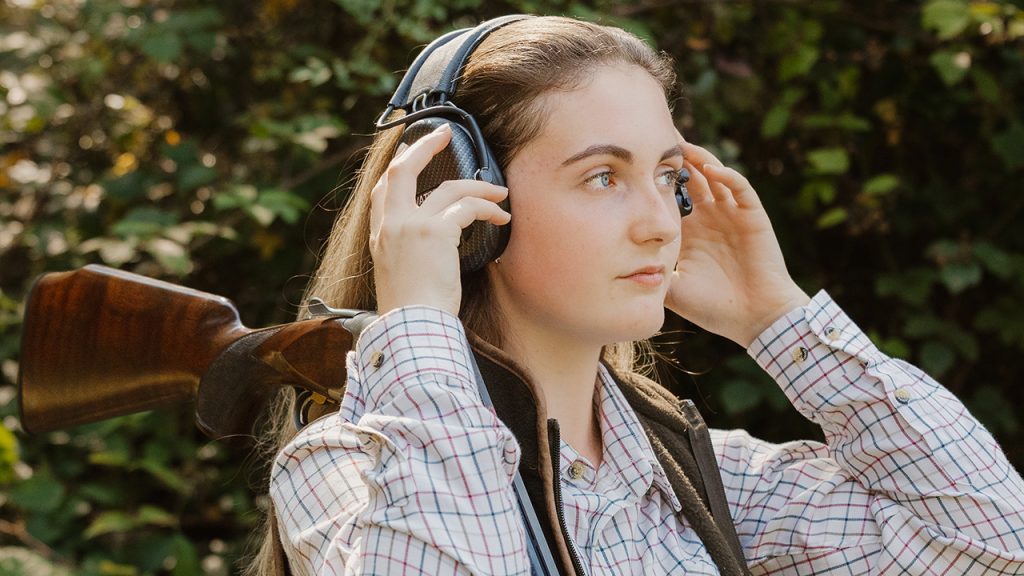
Keep a small pouch of spare plugs in your coat or cartridge bag. Leave a spare set of defenders in the glovebox. That way you’re never stood on a bank thinking, “I’ve left them at home, I’ll just go without this once.”
Myth 2: “My moderator / brakes / subsonics look after my ears.”
Moderators, muzzle brakes and clever ammunition all change the way a rifle or shotgun sounds. What they don’t do is magically make every shot safe for unprotected ears.
A moderator will often make a rifle less harsh to shoot and far more neighbour‑friendly. Subsonic ammunition can be noticeably quieter. A brake changes the character of the noise, pushing it sideways and back rather than forwards. All of that is useful, but none of it means that the sound has dropped to a gentle level.
The danger with relying purely on hardware is that it feels better. The shot is less intimidating, so our brains assume that it’s now harmless. In truth, you can still be well into damaging territory. The sensation has changed, not the basic fact that a controlled explosion is going off a few inches from your head.
Better habit
Treat moderators and ammunition as a way of improving comfort, control and recoil management – not as a replacement for proper hearing protection.
On the hill or at night, pair your moderated rifle with comfortable in‑ear protection or low‑profile defenders. On the range, consider “doubling up” with plugs and muffs when sighting in heavy calibres or brakes.
Myth 3: “Foam plugs are a fit‑and‑forget solution.”
Foam earplugs are cheap, light and widely available. They’re also very easy to get wrong.
Half the time you see someone at a clay ground with the plugs barely twisted in, sticking out like tiny orange mushrooms. They might as well not be there. If the plug isn’t properly seated, it can’t form a seal, and the blast simply leaks around the edge.
The other issue is that shooters tend to stuff the same battered pair into their pocket, use them again and again, and then wonder why their ears feel itchy or sore. Warm, slightly grubby foam living in a coat pocket is not a promising situation for hygiene.
Better habit
If you’re going to use foam plugs, learn how to insert them properly.
Roll them down between finger and thumb into a slim cylinder, gently pull the top of the ear up and back to straighten the canal, and then insert. Hold them in place for a few seconds as the foam expands. You should feel them “seat” inside the ear, not just hover at the entrance.
Treat disposable plugs as just that: disposable. Throw them away when they get dirty, hard, or stop expanding properly. They’re cheap; your hearing isn’t.
Myth 4: “If I wear protection I won’t hear the horn, birds or instructions.”
This belief keeps a surprising number of people from using hearing protection at all, or from upgrading the basic plugs they’ve been grumbling about for years.
It’s true that old, heavily padded defenders can make you feel cut off. They muffle everything equally, so calls on the horn, beaters’ shouts and quiet comments from the neighbouring peg all blend into a dull murmur. No wonder people slip them off “just for this drive”.
Modern shooting ear protection options, though, are built specifically for situational awareness. Filtered plugs and electronic defenders are designed to soften the damaging peaks while letting through conversation, dog bells, rustling wings and commands. Done well, they can actually help you pick up subtle sounds that you’d otherwise miss.
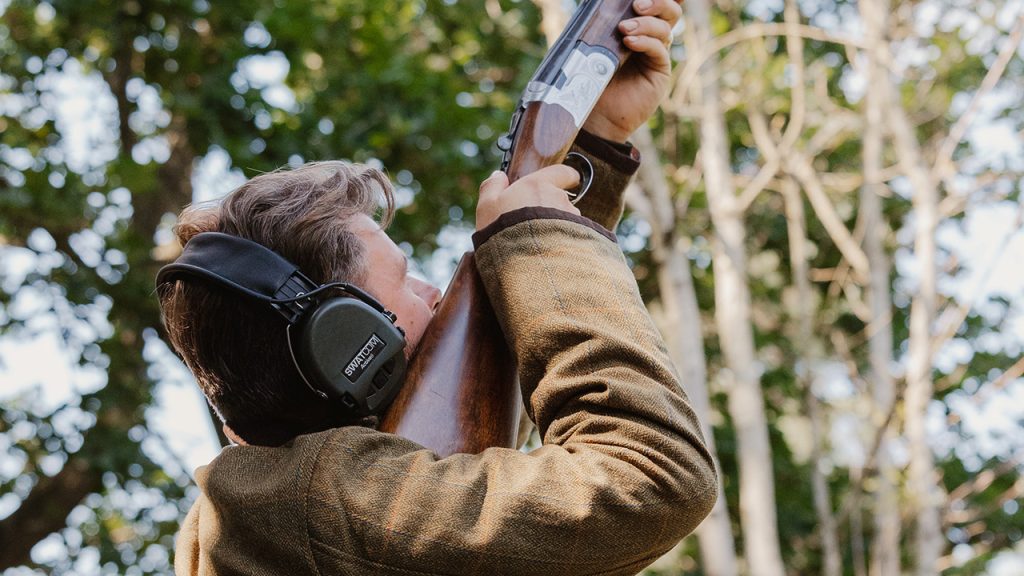
There’s also a big safety angle. Once you trust your protection, you stop pulling it off at awkward moments. That means you’re less likely to be bare‑eared when something unpredictable happens – a second barrel you weren’t expecting, a shot from the woods behind you, or a neighbouring gun who gets over‑excited.
Better habit
If you hate feeling cut off, stop treating basic muffled protection as the only option. Try filtered plugs or electronic defenders that are designed for shooting.
On the peg, use both ears. Don’t leave one ear uncovered “so you can hear better”. All that does is guarantee uneven hearing loss later in life.
Myth 5: “I just chuck them in the glovebox; they’ll be fine.”
Many shooters who would never dream of neglecting their gun are astonishingly casual with their hearing kit.
Defenders live on the dashboard, baking in the sun. Ear cushions crack and flatten. Soft seals pick up grit and mud and then get pressed into the side of your head. Plugs rattle around in pockets with coins, keys and old cartridge box labels.
Over time, this abuse quietly wrecks performance. Flattened cushions don’t seal properly around the ear. Filthy plugs irritate the skin and make you less inclined to wear them. Moisture corrodes battery contacts and microphones in electronic units. Before long, you’re effectively using a broken safety device.
Better habit
Treat hearing protection like any other critical bit of kit.
Give it a home – a dedicated compartment in your shooting range bag, a dry drawer in the boot, a pocket in your gun slip. Wipe down cushions and shells after filthy days. Replace foams, filters and ear cups when they start to look tired.
If you use electronic defenders, get into the habit of checking the battery contacts and changing batteries before a big day rather than discovering they’re flat as you line up for the first drive.
Myth 6: “Hearing protection is for guns, not everyone else.”
It’s common to see Guns kitted out with decent defenders while beaters, pickers‑up, flankers and even keepers go bare‑eared all day.
The thinking is easy to understand. The line of Guns is where the obvious shots are taking place. The rest of the team is “just behind”. In reality, those people are often closer to muzzles than anyone else.
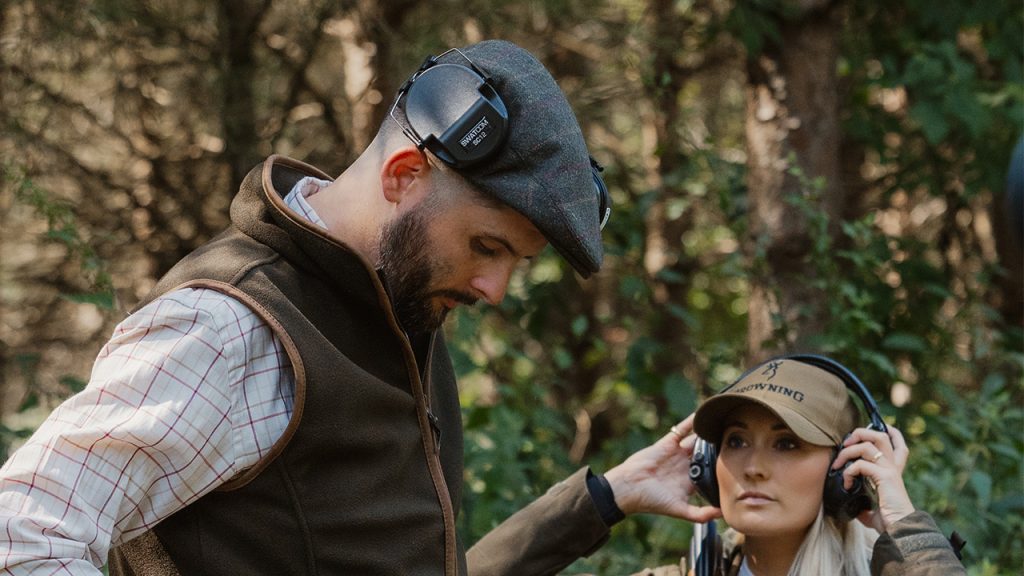
Beaters under the line, stops on narrow rides, pickers‑up working behind the Guns in echoing valleys – all of them can be within a few metres of repeated shots. Many do that week in, week out, for an entire season or for most of their working lives.
If they feel that hearing protection is “not for them”, they’re simply absorbing the risk so others can enjoy the day.
Better habit
Make hearing protection part of the culture of the shoot, not a personal quirk.
If you organise days, consider setting the tone: “Everyone who’s near the line wears some form of hearing protection.” Keep a tub of simple plugs in the game cart or lodge for anyone who has forgotten their own.
If you’re a regular beater or picker‑up, treat your ears with the same respect as any Gun would. You may not be pulling the trigger, but you are absolutely part of the noise environment.
Myth 7: “My hearing is already damaged, it’s too late now.”
This is the myth of resignation.
Someone has a constant whistle or ring in their ears, or they’ve noticed that they’re missing parts of conversations in the pub. Maybe a test has already shown some loss. At that point, they shrug and decide that the damage is done, so why bother with protection now?
The hard truth is that hearing doesn’t grow back. But that’s exactly why protecting what’s left matters so much.
It’s the difference between being able to follow a conversation in a busy pub and struggling even in a quiet room. It’s the difference between using the phone comfortably and avoiding it. It’s the difference between enjoying the subtle sounds of the countryside and watching them fade away.
Every bit of further damage that can be avoided is worth avoiding.
Better habit
If you already have some degree of hearing loss or tinnitus, be stricter, not laxer, with protection.
Use it on every shot, every drive, every short zero check. Talk to a hearing professional about your particular pattern of loss. They may be able to suggest types of protection that suit you better – and help with aids that make conversation easier without opening the door to more damage in the field.
Myth 8: “One bit of kit will cover everything, forever.”
It’s tempting to believe that one pair of shooting ear defenders or one set of shooting ear plugs will do for every situation, from high towers and enclosed ranges to gentle afternoons on the clay ground and quiet stalks on the hill.
In practice, noise environments differ wildly.
A high‑bird day in a steep valley, an indoor range or standing under a steel roof can be brutally loud. Firing from inside a vehicle or near walls is much harsher on the ears than the same cartridge in open air. On the other hand, a single shot on a calm hill might not feel loud at all compared with a simulated game day.
Trying to force one set‑up to do everything often leads to two outcomes. Either it’s overkill in some settings – big, hot, sweaty muffs that you grudgingly wear until you get annoyed and take them off. Or it’s not enough in the loudest ones.
Better habit
Think of your hearing protection like you think about guns, cartridges or clothing. You wouldn’t expect one coat to cover every month of the year.
For many people, a simple two‑layer approach works well:
- A comfortable, decent pair of ear defenders for most clay and game shooting.
- A set of in‑ear options (filtered or electronic) for hot days, stalking, and times when you need hats, hoods or other headgear.
On especially loud days – high towers, enclosed layouts, certain rifle work – consider doubling up, using both plugs and muffs for extra safety. It takes seconds and can save years of trouble later on.
Bringing it all together
Hearing protection isn’t glamorous. It doesn’t have the obvious romance of a best gun, a new thermal rifle scope or a tailored shooting jacket. It’s easy to forget, easy to skimp on and easy to abuse.
Yet, in the long run, it’s one of the most important pieces of kit you own.
The good news is that fixing these myths and bad habits doesn’t require dramatic change. It’s about lots of small, consistent decisions:
- Putting protection on for the “odd” shot.
- Using equipment properly and keeping it in good condition.
- Making sure everyone on the day, not just the Guns, has access to something that works.
- Accepting that you may need more than one option to cover all the noise environments you shoot in.
If you treat your ears with the same respect you show your gun, dog and boots, you’ll still be enjoying the full soundtrack of the countryside for years to come – and you won’t need to pretend you can hear the horn when you can’t.
Related Articles
Gear
Shooting ear protection: how to keep ear defenders and plugs effective all season
When the season is in full swing, most of us focus on cartridges, dogs and diaries.
By SWATCOM
Gear
How deer hunters are rewriting the rules of twilight with HIKMICRO HABROK 4K
By Fieldsports Journal
Get the latest news delivered direct to your door
Subscribe to Fieldsports Journal
Elevate your experience in the field with a subscription to Fieldsports Journal, the premium publication for passionate country sports enthusiasts. This bi-monthly journal delivers unparalleled coverage of game shooting, fishing and big game across the UK and beyond.
Each issue offers a stunning collection of in-depth features, expert opinions and world-class photography, all presented in a timeless yet contemporary design.
Save 10% on shop price when you subscribe, with a choice of packages that work for you. Choose from Print & Digital or Digital only with each journal delivered directly to your door or via the app every other month, plus access to past issues with the digital back issue library.